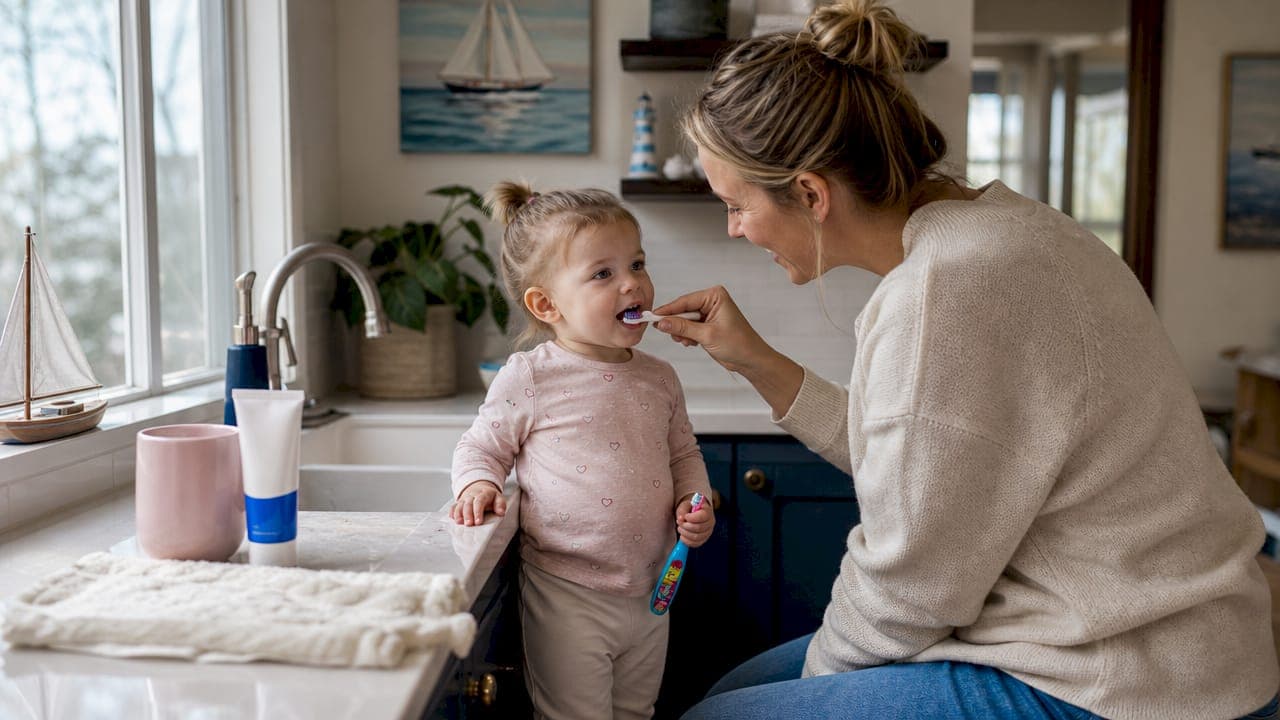
Children dental care best practices are the foundation of lifelong oral health, and the most effective habits start before your child's first birthday. Pediatric guidelines from the American Academy of Pediatrics recommend establishing a dental home by age 1, using fluoride toothpaste in age-appropriate amounts, and controlling sugar exposure from infancy. Parents who follow these evidence-based steps give their children a measurable advantage against tooth decay, the most common chronic disease in children. The practices covered here reflect the latest 2026 pediatric dental guidelines and anticipatory guidance frameworks used by dental professionals nationwide.
1. Establish a dental home by age one
The single most impactful step in dental care for young children is scheduling that first dental visit early. Pediatric guidelines recommend a dental home by 12 months of age, or within 6 months of the first tooth erupting. That timeline surprises many parents who assume baby teeth do not matter much. They do. Early visits allow the dentist to assess your child's cavity risk, spot early decay, and give you personalized guidance before problems develop.
A dental home is not just a one-time checkup. It is an ongoing relationship with a practice that knows your child's history and can track changes over time. At that first visit, the dentist will review your child's diet, fluoride exposure, and oral hygiene routine. You will leave with specific, age-appropriate advice rather than generic tips.
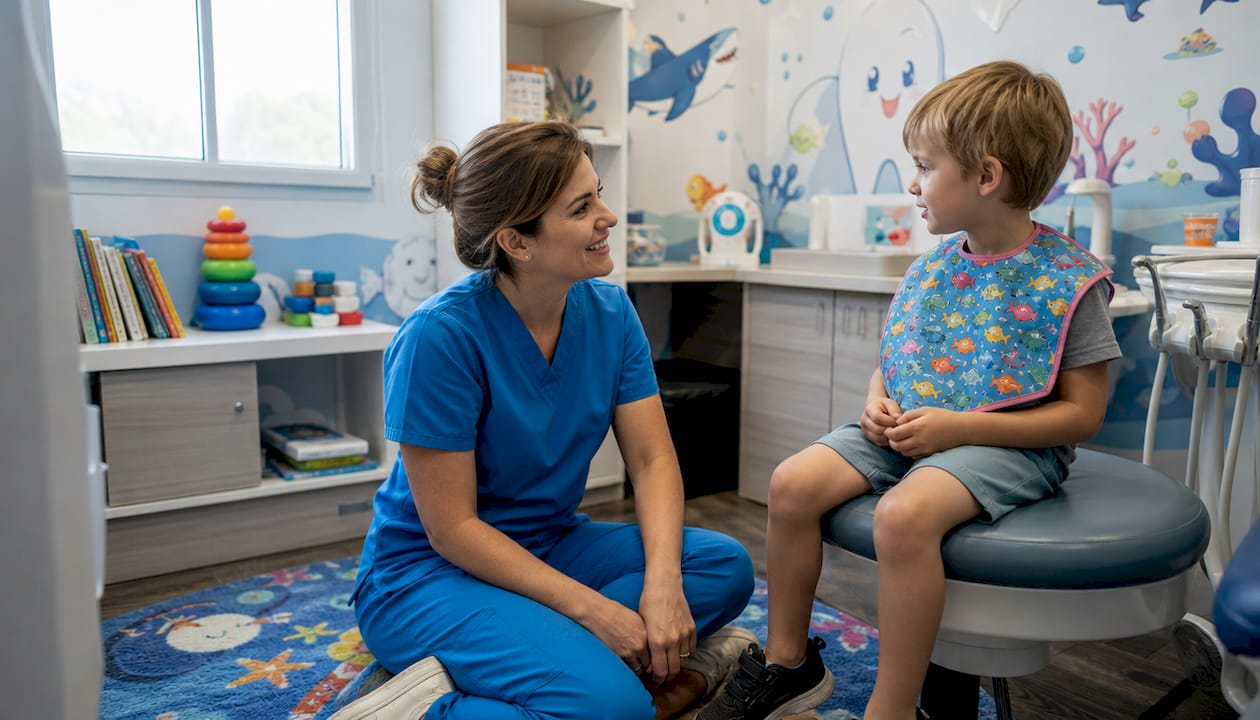
Pro Tip: Book the first appointment before your child's first birthday, even if only a few teeth have come in. The earlier the relationship starts, the more comfortable your child becomes with dental visits.
Choosing the right practice matters. Look for a team that welcomes young children, explains procedures clearly, and creates a calm environment. Starboarddental in Kennebunk is built around exactly that kind of experience, with a warm atmosphere designed to reduce anxiety for patients of all ages. You can review new patient information before your child's first visit to know what to expect.
2. Brush twice daily with the right technique
Brushing is the core of any dental care routine for children, and technique matters as much as frequency. Children should brush twice daily for 2 minutes, covering all tooth surfaces and along the gum line. Most children rush through brushing in under 30 seconds. That leaves plaque on the teeth that causes decay over time.
Use a soft-bristled toothbrush sized for your child's mouth. Angle the brush at 45 degrees toward the gum line and use small circular motions. Cover the outer surfaces, inner surfaces, and chewing surfaces of every tooth. Do not skip the back molars, which trap food most easily.
Parents should assist with brushing until the child is around 7 or 8 years old. Before that age, children lack the fine motor control to brush effectively on their own. Think of it like tying shoelaces: you would not hand a 5-year-old the laces and walk away.
- Brush in the morning after breakfast and again before bed
- Use a timer, a song, or a brushing app to hit the full 2 minutes
- Replace the toothbrush every 3 months or after any illness
- Brush your child's teeth yourself first, then let them practice
Pro Tip: Let your child pick their own toothbrush color or character. Children who feel ownership over their toothbrush are more likely to use it without a fight.
3. Use fluoride toothpaste in the correct amount
Fluoride is the single most effective tool for cavity prevention in kids, and the amount used matters. For children under 3, use a smear of fluoride toothpaste no larger than a grain of rice. For children ages 3 to 6, increase to a pea-sized amount. These amounts deliver enough fluoride to protect enamel without posing a risk if swallowed.
Many parents either skip fluoride toothpaste out of concern or use far too much. Both approaches create problems. Too little fluoride leaves teeth vulnerable. Too much, swallowed regularly, can cause dental fluorosis, a cosmetic spotting of the enamel. The rice-grain and pea-size guidelines exist precisely to thread that needle.
Supervised brushing is non-negotiable at these ages. You need to see how much toothpaste goes on the brush and whether your child spits or swallows. Supervision also gives you the chance to correct technique before bad habits set in.
4. Do not rinse immediately after brushing
This is one of the most overlooked children oral hygiene tips, and it makes a real difference. Rinsing right after brushing washes away the concentrated fluoride that needs time to absorb into the enamel. Fluoride remineralizes weakened enamel, reversing early decay before it becomes a cavity. Rinsing removes it before it can do that work.
Teach your child to spit out the excess toothpaste but not rinse with water afterward. This one habit change costs nothing and meaningfully extends fluoride's protective effect. It feels counterintuitive at first, but children adapt quickly once it becomes routine.
5. Control sugar exposure through diet
Diet is the second biggest driver of tooth decay after oral hygiene habits. Limiting sugary drinks, especially fruit juice for children under 12 months, is a direct cavity prevention strategy. Sugar feeds the bacteria that produce acid, and that acid erodes enamel. Every sugary drink or snack is a new acid attack on your child's teeth.
Parents act as gatekeepers of sugar intake, and that role is most powerful in the early years. Here is what the evidence supports:
- Offer water as the primary beverage, preferably fluoridated tap water
- Avoid putting your child to bed with a bottle containing milk, juice, or formula
- Limit fruit juice to 4 ounces per day for children ages 1 to 3
- Choose whole fruit over juice, which delivers fiber and less concentrated sugar
- Offer cheese, vegetables, and nuts as snacks rather than crackers or candy
Healthy snacks for dental health are not complicated. Cheese raises mouth pH and reduces acid. Raw vegetables stimulate saliva, which naturally cleans teeth. These choices do not require special products or extra effort.
6. Prevent bacterial transfer from caregiver to child
Most parents do not realize that tooth decay bacteria are transmissible from adults to infants. Sharing spoons, tasting food before giving it to your baby, or cleaning a pacifier with your mouth transfers decay-causing bacteria directly into your child's mouth. Infants are not born with these bacteria. They acquire them from their caregivers.
This does not mean you need to be paranoid. It means being deliberate. Use a separate spoon to taste your child's food. Rinse pacifiers with water, not your mouth. These small changes reduce the bacterial load your child's mouth starts with, which lowers their lifetime cavity risk.
7. Make brushing a positive routine
Positive dental experiences and simple daily routines drive long-term dental health more than any single product or treatment. Children who associate brushing with a fight will resist it for years. Children who see it as a normal, even fun, part of the day build the habit naturally.
- Brush your own teeth alongside your child so they see it as something adults do too
- Use a reward chart for younger children to track brushing streaks
- Play a 2-minute song or use a sand timer to make the duration concrete
- Read books about dental visits before appointments to reduce anxiety
- Praise the effort, not just the result, so children feel capable rather than judged
Anticipatory guidance tailored to your child's developmental stage improves preventive outcomes. That means the advice you get from your dentist should change as your child grows. What works for a toddler is different from what works for a 7-year-old.
8. Keep extra toothbrushes accessible
Spare toothbrushes placed in accessible locations increase brushing frequency beyond the standard morning and night routine. A toothbrush in the kitchen, a second bathroom, or a travel bag creates opportunities for brushing after meals or snacks when your child would otherwise skip it. Accessibility removes the friction that kills habits.
This strategy works for adults too, but it is especially effective for children who are still building the habit. If the toothbrush is right there, the barrier to using it drops to almost nothing. Stock up on inexpensive brushes and place them where your child spends time.
9. Schedule regular dental checkups and preventive treatments
Regular dental visits every 6 to 12 months allow dentists to catch decay early, apply fluoride varnish, and place sealants on molars. Children at high cavity risk benefit from fluoride varnish applied every 3 months. Sealants are thin coatings painted onto the chewing surfaces of back teeth, where most cavities in children form. Both treatments are fast, painless, and highly effective.
The children's dental checkup frequency that is right for your child depends on their individual risk level. A child with a history of cavities or a high-sugar diet may need visits every 3 to 4 months. A low-risk child may do well with annual visits. Your dentist determines this at each appointment.
| Preventive Treatment | Who Benefits Most | How Often |
|---|---|---|
| Fluoride varnish | High caries risk children | Every 3 months |
| Dental sealants | Children with erupted molars | Once per molar set |
| Professional cleaning | All children | Every 6–12 months |
| Caries risk assessment | All children | At each dental visit |
Regular visits also reinforce the dental home relationship. Children who see the same team consistently become comfortable with the environment, which makes every future visit easier.
Key Takeaways
The most effective approach to children's oral health combines early dental visits, fluoride toothpaste in correct amounts, sugar control, and consistent daily brushing with parental supervision.
| Point | Details |
|---|---|
| Start dental visits early | Schedule the first dental home visit by age 1 or within 6 months of the first tooth. |
| Match fluoride amount to age | Use a rice-grain size for under 3s and a pea-size for ages 3 to 6. |
| Skip the post-brush rinse | Spitting without rinsing keeps fluoride on teeth longer for better enamel protection. |
| Control sugar at the source | Offer water as the primary drink and avoid bedtime bottles with sugary liquids. |
| Prevent bacterial transfer | Never share utensils or clean pacifiers with your mouth to protect your infant's teeth. |
What I have learned about building real dental habits in kids
The parents who get the best results are not the ones who buy the fanciest electric toothbrush or the most expensive toothpaste. They are the ones who show up consistently and make dental care feel normal.
The biggest mistake I see is waiting until a child has a problem before establishing a routine. By then, the child already associates dental care with discomfort, and every visit becomes a battle. Starting early, before there is anything wrong, builds a completely different relationship with the dentist and with brushing.
The other thing conventional wisdom gets wrong is overcomplicating the routine. Two minutes, twice a day, with the right amount of fluoride toothpaste and no rinsing afterward. That is the whole game for most children. Diet matters too, but the brushing routine is the non-negotiable foundation.
What I find most underrated is the power of modeling. Children watch everything you do. If you brush your teeth with intention and without complaint, your child will internalize that this is just what people do. No reward chart required.
— Alex
Dental care for your child starts at Starboarddental
Starboarddental in Kennebunk offers general dentistry services designed for patients at every stage of life, including children who are just starting their dental journey. The practice combines preventive care, personalized guidance, and a welcoming environment that makes early visits a positive experience rather than a stressful one.

Ceiling-mounted TVs, comfort items, and a team trained to work with anxious patients mean your child gets care without the dread. Same-day appointments are available for families who need flexibility. If you are ready to establish a dental home for your child or want to review conditions treated at the practice, Starboarddental is ready to help you build the foundation for lifelong oral health.
FAQ
When should a child have their first dental visit?
The first dental visit should happen by age 1 or within 6 months of the first tooth erupting. Early visits allow for caries risk assessment and personalized guidance for parents.
How much toothpaste should I use for my toddler?
Use a rice-grain-sized smear of fluoride toothpaste for children under 3, and a pea-sized amount for children ages 3 to 6. Supervised brushing at these ages prevents accidental swallowing.
How often should children go to the dentist?
Most children benefit from dental checkups every 6 to 12 months. Children at high cavity risk may need visits every 3 months for fluoride varnish and monitoring.
What drinks are safest for children's teeth?
Fluoridated tap water is the best beverage for dental health. Fruit juice should be limited or avoided for children under 12 months and kept to small amounts for older toddlers.
Should children rinse after brushing?
Children should spit out excess toothpaste but not rinse with water. Rinsing removes fluoride before it can absorb into the enamel and protect against decay.