
Cleaning teeth with gum disease is defined as a structured combination of mechanical plaque removal, interdental cleaning, antimicrobial rinses, and professional intervention calibrated to your disease stage. The clinical term for this approach is periodontal self-care, and it goes well beyond twice-daily brushing. Gum disease ranges from reversible gingivitis to destructive periodontitis, and the tools and techniques you need differ significantly between those stages. Getting this right matters because untreated periodontitis can cause tooth loss, bone destruction, and systemic health complications. This guide covers the specific methods, products, and professional treatments that work at each stage, based on 2026 clinical evidence.
How to clean teeth with gum disease at home
The right tools make the difference between reversing gingivitis and letting it advance. Electric toothbrushes reduce plaque by approximately 21% more than manual brushes, and that gap matters when inflamed gums are already losing the battle against bacterial buildup. Mild gum disease (gingivitis) can often be fully reversed within 2–4 weeks with strict home care, including brushing twice daily and cleaning between teeth every day.
Brushing technique
Use a soft-bristled electric toothbrush and hold it at a 45° angle to the gumline. This angle directs bristles into the sulcus, the shallow groove where gum meets tooth, where bacteria accumulate first. Apply light pressure and let the brush do the work. Brushing too hard with stiff bristles causes gum recession that can mimic or worsen periodontal damage. Brush for two full minutes, covering all surfaces: outer, inner, and chewing.
Interdental cleaning options
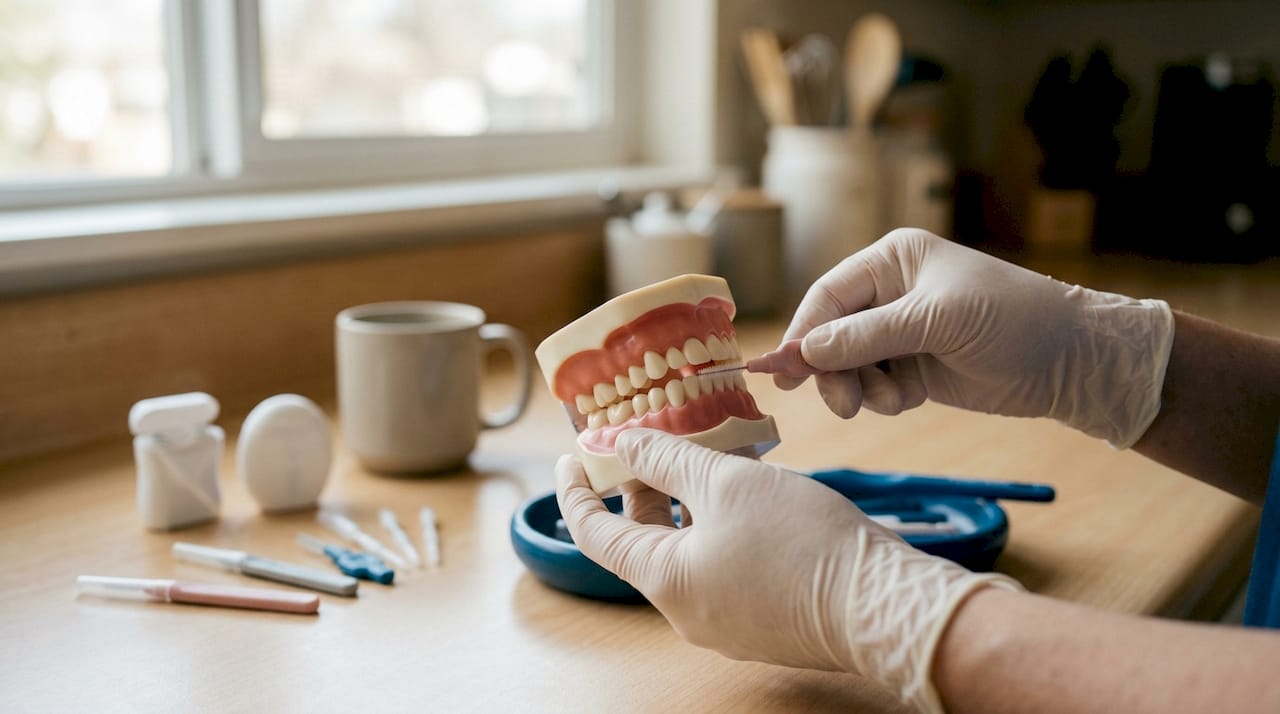
Floss alone is not always enough when gum disease has created wider gaps between teeth. Interdental brushes often outperform floss in those wider spaces caused by gum recession, but sizing is critical. A brush that is too small misses plaque; one that is too large traumatizes tissue. Water flossers are another strong option. Water flossing reduces bleeding on probing by 29–93% compared to traditional floss, making it especially useful when gums are tender and bleeding discourages consistent cleaning.
- Use the correct flossing technique by curving floss into a C-shape around each tooth and sliding gently below the gumline.
- Select interdental brushes that fit snugly without forcing. Your dentist or hygienist can size them for you at your next visit.
- Add an antimicrobial mouthwash containing chlorhexidine or cetylpyridinium chloride to your routine. These rinses reduce bacterial load when used after brushing.
- Oral probiotics containing L. reuteri can complement your routine. Probiotics with L. reuteri reduce pocket depths by 0.36mm and bleeding on probing by 14% when combined with professional scaling.
- Clean teeth at night before bed. Saliva flow drops during sleep, which lets bacteria thrive. Morning brushing handles overnight accumulation.
Pro Tip: Never rinse with water immediately after brushing. Spit out the toothpaste but leave the fluoride residue on your teeth and gums for maximum antibacterial effect.
When do you need professional deep cleaning?
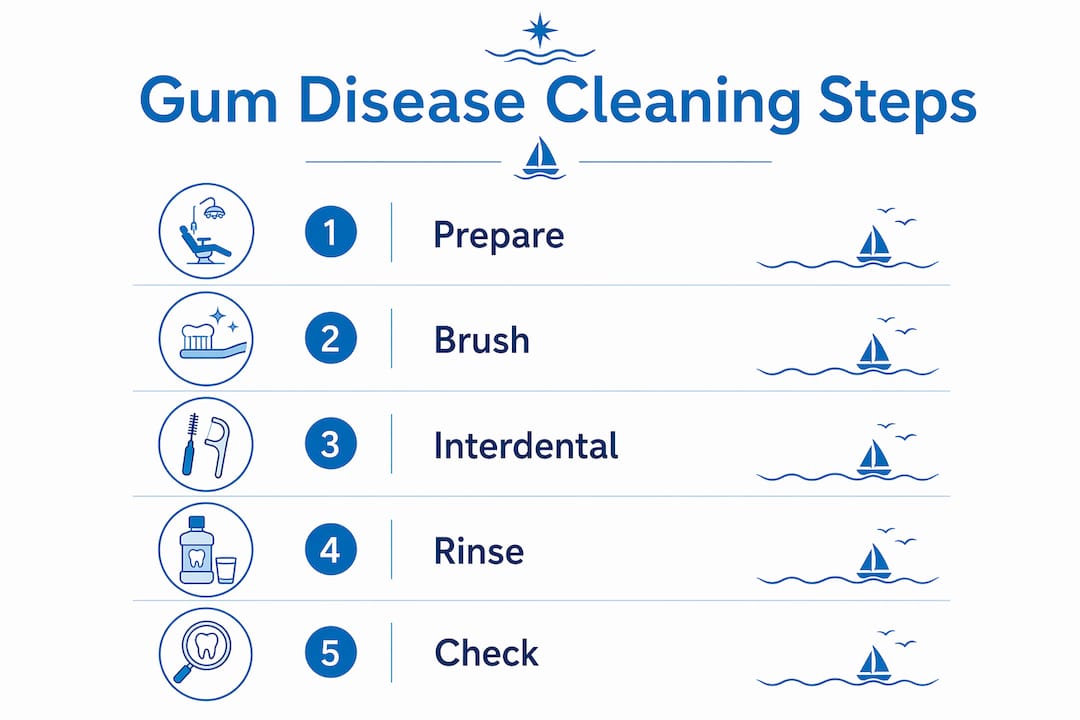
Home care controls gingivitis, but it cannot reach tartar that has formed below the gumline. Periodontal pocket depths of 4mm or greater require professional intervention to prevent bone loss. That threshold is the clinical dividing line between a routine cleaning and a periodontal deep cleaning, also called scaling and root planing (SRP).
Here is how the process works and when each step applies:
- Pocket depth measurement. Your dentist or hygienist probes each tooth to measure the depth of the gum pocket. Depths of 1–3mm are healthy. Depths of 4mm or more signal active disease.
- Scaling. Ultrasonic and hand instruments remove tartar and bacterial deposits from the tooth surface and below the gumline. Scaling and root planing is typically done in quadrants, with local anesthetic to keep you comfortable.
- Root planing. The root surface is smoothed after scaling. Smooth roots give bacteria fewer places to reattach, which slows recolonization between visits.
- Antibiotic adjuncts. For persistent or severe cases, your dentist may place localized antibiotic gels directly into pockets or prescribe a short course of systemic antibiotics. These are adjuncts, not replacements, for mechanical cleaning.
- Follow-up evaluation. A reassessment appointment 4–6 weeks after SRP checks whether pockets have reduced. Pockets that remain deep may require referral to a periodontist for surgical options.
"Professional scaling and root planing is the gold standard for treating moderate to severe periodontitis. It removes the bacterial deposits that no toothbrush or floss can reach, and root planing creates a cleaner surface that supports gum reattachment. Without this step, home care alone cannot stop disease progression once pockets exceed 4mm."
Routine checkups and cleanings every six months are not enough for periodontal patients. The standard interval is designed for healthy mouths. Once you have active or treated periodontitis, a different schedule applies.
Daily maintenance strategies to manage gum disease long-term
Treating gum disease is not a one-time event. Bacteria recolonize cleaned pockets within weeks, which is why 3 to 4-month maintenance visits are the clinical standard for periodontal patients rather than the typical six-month interval. That frequency keeps bacterial levels below the threshold that triggers tissue destruction.
Your daily habits outside the bathroom matter just as much as your brushing routine:
- Quit smoking. Smoking is the strongest behavioral factor negatively impacting periodontal outcomes. It impairs blood flow to gum tissue, masks bleeding (a key warning sign), and slows healing after professional treatment. No oral care routine fully compensates for active smoking.
- Control blood sugar. Diabetes and periodontitis have a bidirectional relationship. Uncontrolled blood sugar worsens gum inflammation, and active gum disease makes blood sugar harder to control. Managing diabetes is part of supporting optimal gum health.
- Eat for gum health. Vitamin C supports collagen production in gum tissue. Omega-3 fatty acids reduce systemic inflammation. Crunchy vegetables like carrots and celery mechanically clean tooth surfaces between brushing sessions.
- Size your interdental brushes correctly. Most patients use brushes that are too small. The brush should fit the gap with slight resistance, not slide through loosely. Ask your hygienist to confirm your sizing at each maintenance visit.
- Use oral probiotics consistently. L. reuteri strains reduce gum inflammation markers when used alongside professional care. They do not replace scaling, but they extend the benefit between visits.
- Track your gum health. Note any changes in bleeding, swelling, or tooth sensitivity between appointments. These are early signals that disease activity is increasing and your next visit should be moved forward.
Periodontal disease management is moving toward personalized, risk-based approaches in 2026. Your pocket depths, systemic health, and adherence to home care all shape the treatment frequency and tools your dentist recommends.
Common challenges when cleaning teeth with gum disease
Bleeding gums during brushing or flossing is the most common reason patients stop cleaning properly. The instinct to avoid a bleeding area is understandable, but it is the wrong response. Bleeding signals inflammation caused by bacterial plaque. Cleaning that area more consistently, not less, reduces the inflammation and stops the bleeding within 1–2 weeks of correct technique.
Pain during interdental cleaning usually means one of three things: the technique is too aggressive, the tool is the wrong size, or the gum tissue is acutely inflamed. Start with a water flosser if traditional floss or interdental brushes cause significant discomfort. Water flossers deliver effective cleaning with less mechanical trauma to tender tissue.
Patients taking anticoagulant medications like warfarin or aspirin will notice heavier bleeding during cleaning. This does not mean you should stop. Inform your dentist about your medications so they can adjust their approach during professional visits. For sensitive teeth, use a desensitizing toothpaste with potassium nitrate or stannous fluoride, which reduces nerve sensitivity over time.
Pro Tip: If you cannot tell whether your brushing is effective, use a disclosing tablet once a week. These chewable tablets stain plaque red or purple, showing you exactly where you are missing. It takes the guesswork out of technique.
Natural remedies like oil pulling or high-dose vitamins are adjuncts only. Oil pulling and vitamins cannot replace professional treatment and risk silent disease progression if used as substitutes. Use them alongside proven care, never instead of it.
Gum recession caused by improper brushing is permanent. Once gum tissue recedes, it does not grow back without surgical intervention. This is why gentle brushing technique at a 45° angle with a soft-bristled brush is non-negotiable, not optional advice.
Key Takeaways
Effective oral care for gum disease requires combining daily home care with professional treatment timed to your disease stage, not a standard six-month schedule.
| Point | Details |
|---|---|
| Electric toothbrush advantage | Electric brushes remove approximately 21% more plaque than manual brushes, making them the better choice for gum disease. |
| Professional deep cleaning threshold | Pocket depths of 4mm or greater require scaling and root planing, which home care cannot replace. |
| Maintenance visit frequency | Periodontal patients need professional visits every 3–4 months, not the standard six-month interval. |
| Smoking cessation is non-negotiable | Smoking is the single strongest behavioral factor that undermines periodontal treatment outcomes. |
| Bleeding means clean more, not less | Bleeding gums signal inflammation from plaque. Consistent, correct cleaning reduces bleeding within 1–2 weeks. |
What I've learned from watching patients manage gum disease
The biggest mistake I see is patients treating gum disease like a problem they solve once and move on from. They complete a round of scaling and root planing, feel better, and quietly drift back to six-month visits and inconsistent flossing. Within a year, the pockets are deep again.
Advanced periodontitis cannot be reversed at home. Professional treatment stabilizes the disease, but it cannot rebuild lost bone or ligament. That reality should motivate patients, not discourage them. Stabilization is a real and meaningful outcome. Keeping the teeth you have is worth the effort.
The patients who do best are not the ones with perfect technique. They are the ones who show up consistently, ask questions, and treat their 3-month maintenance visits as non-negotiable. Consistency beats perfection every time. A slightly imperfect routine done every day outperforms a perfect routine done three times a week.
Lifestyle changes are where most patients underinvest. Quitting smoking and managing blood sugar are not peripheral suggestions. They are core treatment variables. A patient who quits smoking mid-treatment often sees better pocket reduction than a non-smoker with poor home care. The biology is that direct.
— Alex
Gum disease care at Starboarddental
Starboarddental in Kennebunk offers periodontic treatment for patients at every stage of gum disease, from early gingivitis to advanced periodontitis requiring deep cleaning and long-term maintenance planning.

The team at Starboarddental uses digital scanning technology to measure pocket depths accurately and build a personalized treatment plan based on your specific condition. Same-day appointments are available for patients with urgent symptoms. Whether you need a professional deep cleaning or a structured maintenance schedule, Starboarddental's full range of conditions treated includes the periodontal care your gums need to stay stable and healthy long-term.
FAQ
Can gum disease cause tooth loss?
Yes. Untreated periodontitis destroys the bone and ligament that hold teeth in place, and tooth loss is the direct result of advanced, unmanaged disease.
How often should I see a dentist if I have gum disease?
Periodontal patients need professional visits every 3–4 months. The standard six-month interval does not control bacterial recolonization in diseased pockets.
Does bleeding when I brush mean I should stop?
No. Bleeding signals bacterial inflammation, and consistent correct brushing reduces it within 1–2 weeks. Stopping makes the inflammation worse.
What is the difference between a regular cleaning and scaling and root planing?
A routine cleaning removes plaque and tartar above the gumline. Scaling and root planing removes deposits below the gumline and smooths root surfaces to prevent bacterial reattachment.
Can I treat gum disease at home without seeing a dentist?
Gingivitis can be reversed with strict home care. Moderate to severe periodontitis with pocket depths above 4mm requires professional scaling and root planing. Home care alone cannot remove subgingival tartar.