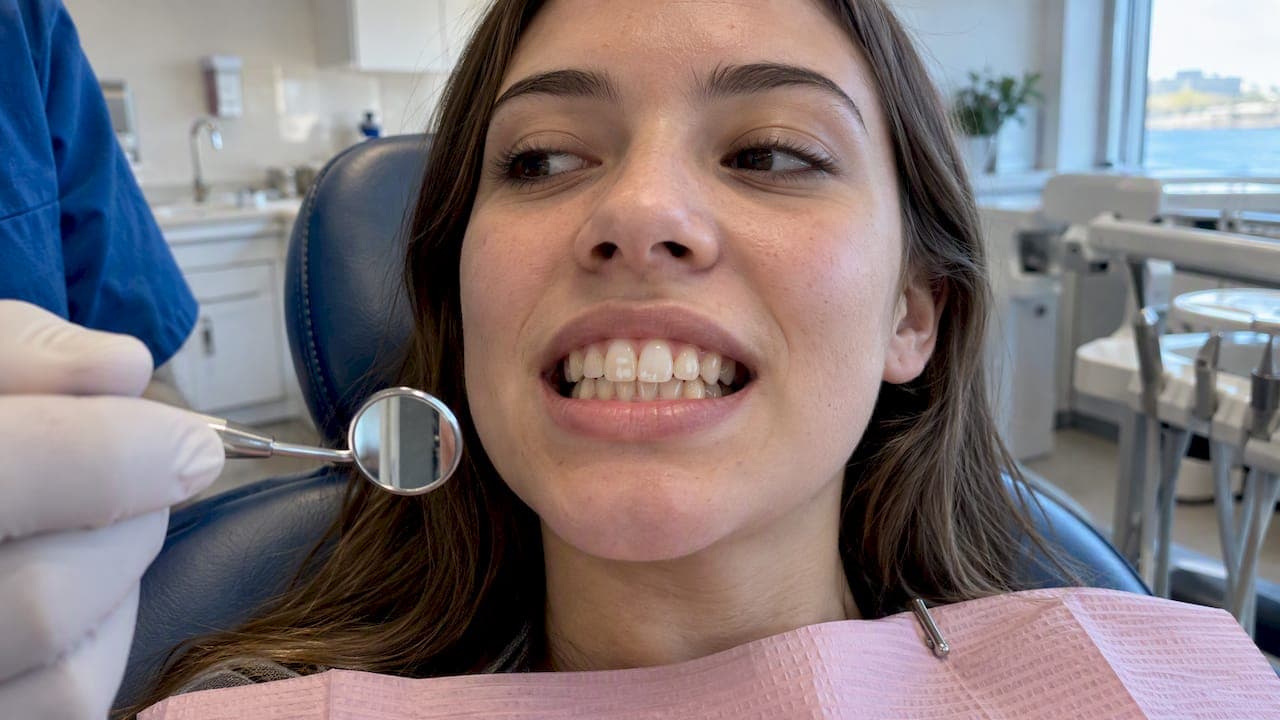
Yes, you can whiten your teeth after braces, but timing and an evaluation matter first. Most people can safely start whitening between 2 weeks and 6 months after debonding, depending on gum health and how clean the enamel looks. If you see chalky white spots rather than yellow or brown stains, bleaching alone may not fix them and could even make them stand out more.
TL;DR:
- Most patients can safely whiten their teeth between 2 weeks and 6 months after debonding, depending on gum health and enamel cleanliness.
- White-spot lesions caused by enamel demineralization do not respond to standard bleaching and may require remineralization or masking treatments instead.
- Professional whitening, including in-office procedures or custom trays, is recommended over OTC options if white spots, uneven staining, or sensitivity are present.
- A thorough cleaning, polishing, and ruling out residual adhesive or decay are essential steps before whitening for even results.
- Post-whitening, avoiding dark foods and beverages for 48 hours and maintaining good oral hygiene help prolong results.
Table of Contents
- When to whiten: timing and readiness after braces removal
- Why teeth look different after braces: stains, white-spot lesions, and surface changes
- Professional vs at-home whitening: pros, cons, and recommended choices after braces
- Preparing your teeth: dental cleaning, polishing, and treating white spots before whitening
- Managing sensitivity and comfort during and after whitening
- Maintaining results: the white diet, daily habits, and using retainers or aligners for touch-ups
- Starboard Dental perspective: quick checklist and what we offer
- Ready for an even, comfortable smile? Here's how we help
- FAQ
- Sources
When to whiten: timing and readiness after braces removal
The right waiting window depends on your mouth, not the calendar. Gums that were inflamed under brackets often need 2 to 4 weeks to settle, while enamel with leftover adhesive residue may need a professional polish before bleaching will work evenly. Some patients are cleared in as little as 2 weeks; others wait up to 6 months if there's active decay, lingering sensitivity, or unresolved gum inflammation.

A faster, more thorough adhesive removal at your debonding appointment tends to shorten the wait, since less residue means less uneven staining later. Active gum disease or new cavities, on the other hand, push the timeline out until those issues are treated.
Before booking a whitening appointment, run through this quick checklist:
- Gums look pink and healthy, not red or puffy
- No visible adhesive remnants or rough spots on enamel
- No new cavities or active decay since brace removal
- A dentist or orthodontist has confirmed you're ready
When in doubt, a quick check-in with your orthodontist or dentist is worth more than guessing.
Why teeth look different after braces: stains, white-spot lesions, and surface changes
Not all post-braces discoloration is the same, and telling the difference changes your whitening plan. Extrinsic stains are surface-level buildup from food, drinks, or plaque, and they respond well to standard bleaching. White-spot lesions (WSLs) are something else entirely: areas of enamel demineralization caused by plaque sitting under brackets for months, and they show up in up to 50% of orthodontic patients.
Because WSLs are a structural change in the enamel rather than a stain sitting on top of it, standard whitening does not repair them, and in some cases bleaching the surrounding enamel can make the white spots look more obvious by contrast, according to the same research on WSL prevalence and management.
If white spots are your main concern, a few options exist before or instead of bleaching:
- Fluoride varnish to encourage remineralization of mild lesions
- Resin infiltration to mask moderate, stable white spots
- Cosmetic bonding or contouring for lesions that don't respond to the above
A dentist can tell you which category your discoloration falls into before you spend money on whitening that won't touch it.
Professional vs at-home whitening: pros, cons, and recommended choices after braces
The right whitening method after braces depends on what kind of discoloration you have and how your enamel responded to orthodontic treatment. Here's how the main options stack up:
- In-office whitening delivers the fastest results under clinical control, and a dentist can build in desensitizing agents on the spot, making it a solid choice if you have uneven staining or get anxious about treatment.
- Dentist-dispensed custom trays offer a strong, controlled take-home protocol that's good for gradual whitening or touch-ups between visits, with a dentist monitoring concentration and fit.
- Over-the-counter options, like whitening strips, LED kits, and whitening toothpaste, work fine for mild, even surface stains but struggle with white-spot lesions or heavier discoloration.
A simple rule covers most cases: if you have white-spot lesions, uneven staining, or noticeable sensitivity, skip the drugstore aisle and go professional first. OTC products are built for average cases, not the enamel irregularities that orthodontic treatment can leave behind.
Pro Tip: Ask your dentist to check for residual adhesive before choosing a whitening method. It's a common cause of patchy results that gets blamed on the whitening product instead.
Preparing your teeth: dental cleaning, polishing, and treating white spots before whitening
A professional cleaning before whitening isn't optional if you want even results. Leftover cement or adhesive from brackets, along with routine tartar buildup, can block bleaching gel from reaching enamel uniformly, leaving some spots lighter than others.

Ask your provider about the polishing technique they use at this stage. Softer polishing disks and finishing burs reduce the surface roughness that adhesive removal can leave behind, which otherwise affects how evenly color changes later.
For white-spot lesions specifically, your dentist will likely choose between two approaches. Fluoride varnish suits early, mild demineralization and works by supporting the enamel's natural remineralization. Resin infiltration is reserved for more established lesions and can restore a more even color comparable to surrounding enamel, whether paired with in-office or at-home bleaching.
In the weeks before your appointment:
- Use a fluoride toothpaste daily
- Cut back on acidic drinks like soda and citrus juice
- Keep up regular brushing and flossing
Managing sensitivity and comfort during and after whitening
Sensitivity is the most common complaint after whitening, and it's also the most manageable. Bleaching gels that include amorphous calcium phosphate (ACP) significantly reduce dentinal hypersensitivity while producing a shade change comparable to standard gel, so ask whether your provider's formula includes it.
Separately, a randomized clinical trial found that taking 400 mg of ibuprofen paired with a 2% potassium fluoride desensitizer before in-office bleaching lowered the risk of moderate to severe sensitivity compared with a placebo.
On your end, shorter whitening sessions, a sensitivity toothpaste used for a few days before and after treatment, and topical desensitizers your dentist recommends can all take the edge off.
Pro Tip: If sensitivity lingers more than a few days after whitening, don't just wait it out. Mention it to your dentist, since persistent discomfort sometimes points to an issue beyond normal bleaching sensitivity.
Maintaining results: the white diet, daily habits, and using retainers or aligners for touch-ups
The first 48 hours after whitening matter most, since enamel is temporarily more porous and prone to staining. Skip coffee, tea, red wine, dark sauces, colored sports drinks, and tobacco during that window. Safer choices include water, milk, chicken, rice, and plain pasta.
Long-term, the basics still do most of the work: brushing twice daily, flossing, regular professional cleanings, and quitting smoking if you haven't already. Whitening toothpaste and drinking stain-prone beverages through a straw help extend results between touch-ups.
- Avoid dark, staining foods and drinks for 48 hours post-whitening
- Keep up biannual cleanings to prevent new buildup
- Ask before reusing a retainer or aligner tray for touch-up gel, since concentration and fit both affect safety
If you still have your retainer, it can double as a whitening tray for touch-ups, but only with a dentist-approved gel concentration and confirmation that the fit is still snug enough to avoid gel pooling on your gums.
Starboard Dental perspective: quick checklist and what we offer
Our approach to post-braces whitening starts with a simple checklist: rule out white-spot lesions, get a professional cleaning and polish, decide between in-office treatment and custom trays, and plan for sensitivity before you start. We offer professional whitening, desensitizing protocols, and resin infiltration for lingering white spots, and provide appointments to fit your schedule. If you're not sure which category your discoloration falls into, a quick consult settles it before you spend money on the wrong approach.
— Alex
Ready for an even, comfortable smile? Here's how we help
A whitening visit with us starts where it should: an evaluation to tell stains from white-spot lesions, a professional cleaning to clear any leftover adhesive, and a whitening plan built around your comfort, including a sensitivity management protocol if you've had sensitive teeth before.

Pricing depends on your specific case and treatment choice; our team can help you understand cost and insurance coverage during your visit. We also provide appointment options for patients who want to move quickly once braces come off. You can see what's included and book through our teeth whitening page, or reach out if you'd rather start with a general consult.
This article is general information, not a substitute for advice from a qualified doctor. Consult a qualified healthcare professional about your own circumstances before acting on anything here.
FAQ
What happens if I whiten my teeth right after braces?
Whitening too soon can lead to uneven results if adhesive residue remains on the enamel or if gums are still inflamed from bracket removal. It can also increase sensitivity before your mouth has had time to settle, which is why most dentists recommend waiting at least a couple of weeks and getting a cleaning first.
How much does it cost to whiten teeth after braces?
Whitening costs vary by provider and by whether you choose in-office treatment, custom take-home trays, or a combination. Our teeth whitening page has details on what's included in a visit, and pricing is best confirmed during a consult since it depends on your specific case.
Do dentists whiten teeth after braces?
Yes, dentists routinely whiten teeth after orthodontic treatment, often after a cleaning and evaluation to check for white-spot lesions or leftover adhesive first. Professional supervision also allows for desensitizing agents to be built into the whitening process, which reduces sensitivity without sacrificing results.
How to get rid of yellow stains on teeth after braces?
Yellow surface stains typically respond well to standard whitening, whether in-office, custom trays, or over-the-counter products, once a dentist confirms there's no residual adhesive or gum inflammation. A professional cleaning beforehand usually makes the biggest visible difference, since it clears buildup that can make stains look worse than they are.