
What consistent dental care really means, and why it counts
Consistent dental care combines two things: a daily home routine of brushing and flossing, plus regular professional visits for exams and cleanings. Together, they form the only reliable system for preventing oral disease before it starts. Skip either half and the whole thing breaks down.
The American Dental Association puts it plainly: regular dental visits help spot problems early when treatment is simpler and more affordable, and they prevent many problems from developing at all. The National Health and Nutrition Examination Survey reinforces this, finding that consistent and frequent routine appointments can have a positive impact on oral health outcomes.
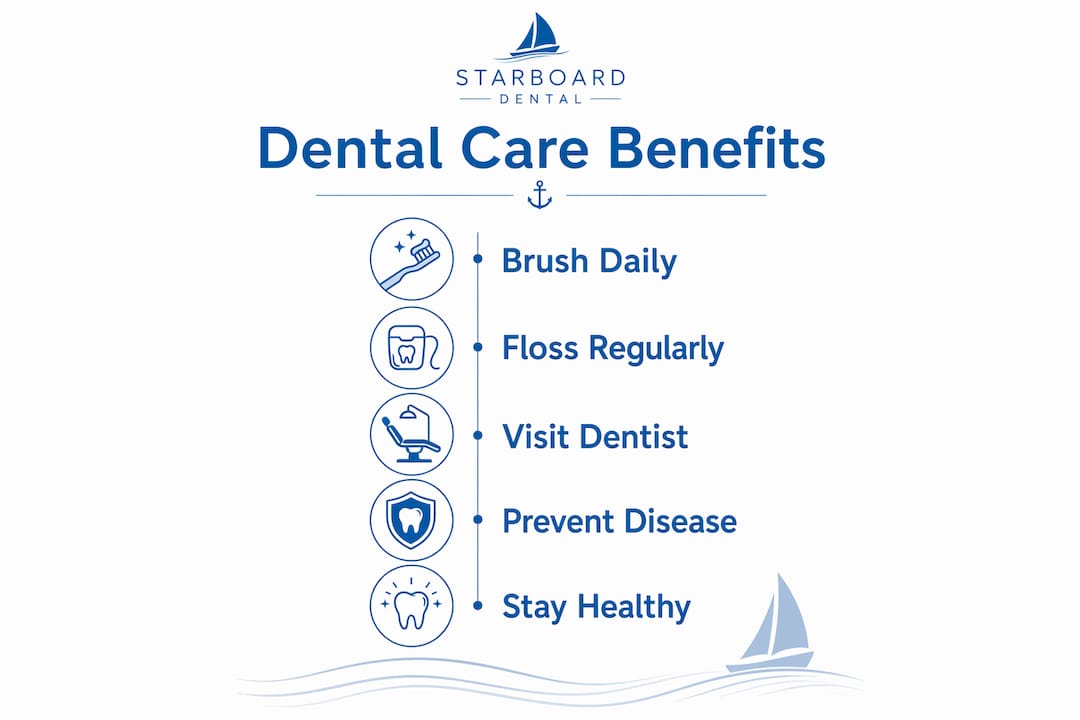
The core components of a consistent care routine include:
- Brushing twice daily with fluoride toothpaste for at least two minutes
- Flossing or cleaning between teeth once per day
- Scheduling professional exams and cleanings at intervals your dentist recommends
- Keeping your dentist informed of any changes in your overall health
- Attending appointments even when you feel no pain or notice no visible problems
Table of Contents
- How routine dental care prevents cavities and gum disease
- Your mouth and your body are more connected than you think
- Why you should keep dental appointments even when nothing hurts
- Dental anxiety is common, and it does not have to stop you
- The confidence and comfort that come with a healthy mouth
- Key Takeaways
- Starboarddental makes consistent care easier to keep
How routine dental care prevents cavities and gum disease
Plaque forms on teeth within minutes after eating. Left alone, it hardens into calculus, a deposit that only a dentist or hygienist can remove. Once calculus builds up below the gum line, it triggers inflammation that leads directly to gingivitis and, if untreated, to periodontitis with bone loss and eventual tooth loss.
Dental caries affects 193.5 million U.S. adults and roughly one in ten children, making it one of the most prevalent chronic diseases in the country. The good news is that it is also one of the most preventable. Routine cleanings remove the calculus that daily brushing cannot reach, and regular exams catch cavities when they are small and easy to fill rather than large enough to require crowns or extractions.
The cost gap is real. Preventive dental care is clinically proven to be more affordable than restorative or emergency treatment. A cleaning costs a fraction of a root canal.
Recommended visit frequency varies by risk level:
- Low risk: once per year may be sufficient
- Moderate risk: every six months is the standard baseline
- High risk (active gum disease, cavity-prone): every three to four months
Pro Tip: Ask your dentist to assign you a specific risk category at your next visit. That number drives your recall interval and directly affects your long-term costs.
Your mouth and your body are more connected than you think
Gum disease does not stay in the mouth. Oral inflammation and bacteria can enter the bloodstream and contribute to heart disease and stroke. People with gum disease also have a harder time controlling blood sugar, and research from the Mayo Clinic shows that regular dental care can improve diabetes control. The relationship runs both ways: diabetes lowers the body's ability to fight infection, which worsens gum disease.
For a closer look at how this two-way relationship works, Starboarddental's guide on diabetes and oral health breaks it down clearly.
Systemic conditions with documented links to poor oral health include:
- Cardiovascular disease and stroke
- Type 2 diabetes (harder to manage with active gum disease)
- Respiratory infections from inhaled oral bacteria
- Adverse pregnancy outcomes including preterm birth
Lifestyle choices also shape how well consistent care works. Smoking accelerates gum disease and masks early symptoms. High sugar intake feeds the bacteria that produce enamel-destroying acids. Staying active, eating a balanced diet, and avoiding tobacco all amplify the benefits of your dental routine.
Why you should keep dental appointments even when nothing hurts
Early gum disease is painless. Red, swollen, or bleeding gums are the first signs, and most patients do not notice them without a professional exam. By the time gum disease becomes painful, significant damage has often already occurred.
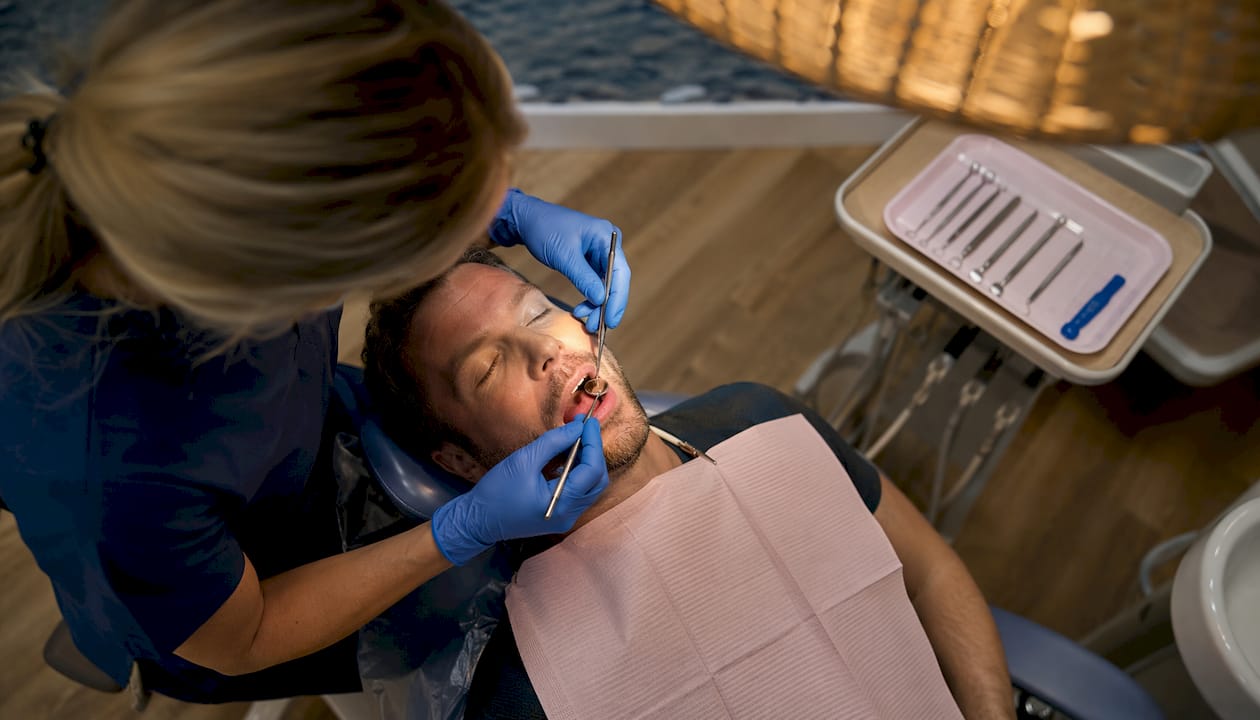
Regular exams do more than check for cavities. They screen for oral cancer, detect teeth grinding, and assess the integrity of existing dental work. Oral cancer caught early is far more treatable than oral cancer found at a late stage. A dentist who sees you consistently also builds a baseline of what is normal for your mouth, making subtle changes far easier to catch.
Key benefits of keeping scheduled exams:
- Early detection of gum disease while it is still reversible
- Oral cancer screening at every visit
- Monitoring of crowns, fillings, and other restorations
- Detection of teeth grinding before it causes structural damage
- X-rays to find decay between teeth that is invisible to the naked eye
Pro Tip: Never cancel a dental appointment just because you feel fine. Asymptomatic does not mean disease-free, and the visit that feels unnecessary is often the one that catches something early.
Recall intervals should be personalized to your individual risk, not defaulted to a fixed schedule. Your dentist is the right person to set that interval, and it can change as your health changes.
Dental anxiety is common, and it does not have to stop you
Dental anxiety keeps a lot of people away from care they genuinely need. The cycle is predictable: anxiety leads to skipped visits, skipped visits allow problems to develop, and bigger problems make the next visit feel even more daunting. Breaking that cycle starts with finding a practice where you feel comfortable enough to show up consistently.
Practices that address anxiety through comfort features and empathetic care make a measurable difference in how often patients actually attend. Starboarddental, located in Kennebunk, was built with this in mind. Ceiling-mounted TVs, personalized comfort items, and a warm, unhurried atmosphere reduce the stress that makes people cancel. Same-day appointments mean you can act on a concern before anxiety has time to talk you out of it.
Practical steps to manage dental anxiety:
- Tell the dental team about your anxiety before the appointment starts
- Agree on a stop signal so you feel in control during treatment
- Schedule morning appointments when stress levels tend to be lower
- Bring headphones and listen to music or a podcast during the procedure
- Start with a simple cleaning before committing to more involved work
Pro Tip: Being upfront with your dental team about anxiety is not a burden to them. It gives them the information they need to adjust their approach, and most practices genuinely appreciate the heads-up.
The confidence and comfort that come with a healthy mouth
Consistent dental care changes how you feel day to day, not just on paper. Fresh breath, a clean smile, and the absence of tooth pain all affect how confidently you speak, eat, and interact with people. Patients who maintain regular care report fewer dental emergencies, less time lost to urgent appointments, and a stronger sense of control over their health.
There is also a psychological dimension to knowing your mouth is healthy. Dental problems left unaddressed create low-level stress, the kind that sits in the background and affects sleep, diet, and self-image. Staying on top of care removes that background noise. For patients who have dealt with years of dental avoidance, the shift that comes with getting back on a consistent schedule is often described as a genuine relief.
Key Takeaways
Consistent dental care prevents oral disease, reduces long-term costs, and protects your overall health through regular professional visits and daily home hygiene.
| Point | Details |
|---|---|
| Prevention beats treatment | Preventive care is clinically proven more affordable than restorative or emergency dental work. |
| Cavities are widespread | Dental caries affects a large portion of U.S. adults and about 10% of children, and remains one of the most preventable chronic diseases. |
| Oral health affects the whole body | Gum disease is linked to cardiovascular disease, stroke, and harder-to-control diabetes. |
| Exams catch what you cannot feel | Early gum disease and oral cancer are often painless; only a professional exam detects them reliably. |
| Starboarddental | Offers same-day appointments, comfort-focused care, and advanced technology for patients in Kennebunk seeking consistent dental care. |
Starboarddental makes consistent care easier to keep
Knowing why consistent dental care matters is one thing. Actually maintaining it is where most people struggle, and the practice you choose makes a bigger difference than most patients expect.

Starboarddental in Kennebunk is built for patients who want thorough, comfortable care without the dread that keeps people away. Digital scanners replace messy impressions. Ceiling-mounted TVs and personalized comfort items turn a routine cleaning into something far less stressful. Same-day appointments mean you do not have to wait weeks when something comes up. Whether you need a routine exam and cleaning or are coming back after a long gap in care, the team at Starboarddental meets you where you are. New patients can find everything they need to get started at the new patients page and book their first visit today.