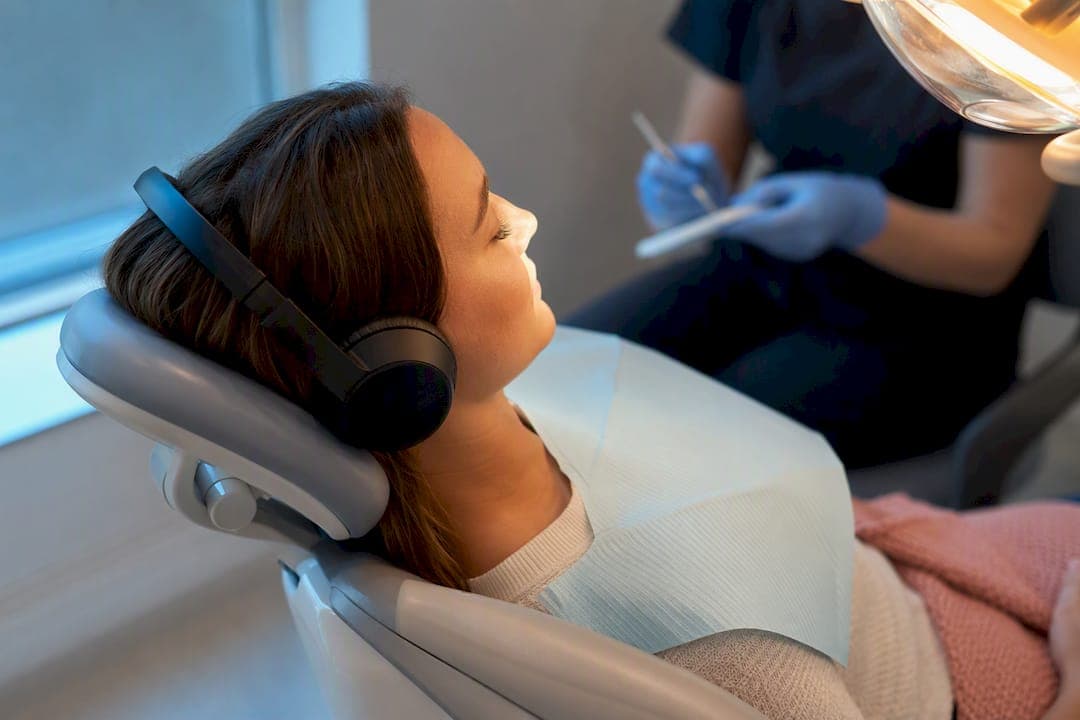
Ask for a warm blanket, a neck pillow, and noise-canceling headphones. Those three items alone knock down anxiety for a lot of patients and most modern practices keep them on hand for free. Round out the list with a weighted lap pad, aromatherapy, distraction tech like a tablet, and nitrous oxide when it's clinically appropriate. Research backs the biggest wins here: noise control, sensory adaptation, and deep-pressure input all measurably calm the nervous system before a drill ever gets close.
TL;DR:
- Noise-canceling headphones tuned for dental sounds are the most supported comfort tool, significantly reducing anxiety and pain during procedures.
- Weighted blankets and lap pads provide deep pressure that helps calm the nervous system, especially effective for pediatric or sensory-sensitive patients.
- Aromatherapy and audiovisual distractions show promising results in lowering stress but are more effective for children and vary depending on individual sensitivities.
- Requesting comfort items in advance and clarifying infection-control procedures can ensure a tailored, safe experience tailored for specific medical conditions.
- Combining non-pharmacological tools with basic breathing and distraction techniques offers the most effective strategy for reducing dental anxiety.
Table of Contents
- What Dentist Comfort Items Should You Request First?
- Why These Comfort Items Actually Work
- How to Request Comfort Items at Your Next Visit
- Safety and Cleaning: When to Skip a Comfort Item
- How Starboard Dental Puts a Comfort Menu Into Practice
- What the Research Actually Tells Us to Prioritize
- Book a Comfort-Focused Visit With Starboard Dental
- Sources
- FAQ
What Dentist Comfort Items Should You Request First?
Comfort tools for dental patients fall into a few clear categories, and knowing which one fixes which problem makes the ask a lot easier. Some quiet noise. Some occupy your hands or eyes. Some apply gentle physical pressure that tells your nervous system to stand down. Here's the practical shortlist, organized by what it actually solves.
- Warm blanket: Cuts the chill of a reclined chair and gives your hands something to hold onto, which sounds minor until you're the one gripping the armrest.
- Neck pillow or headrest support: Reduces the strain of holding your head at an angle for 30 to 90 minutes, especially useful during longer restorative work.
- Noise-canceling headphones: Block the whine of the drill and the suction sound, two of the most commonly cited triggers for dental anxiety.
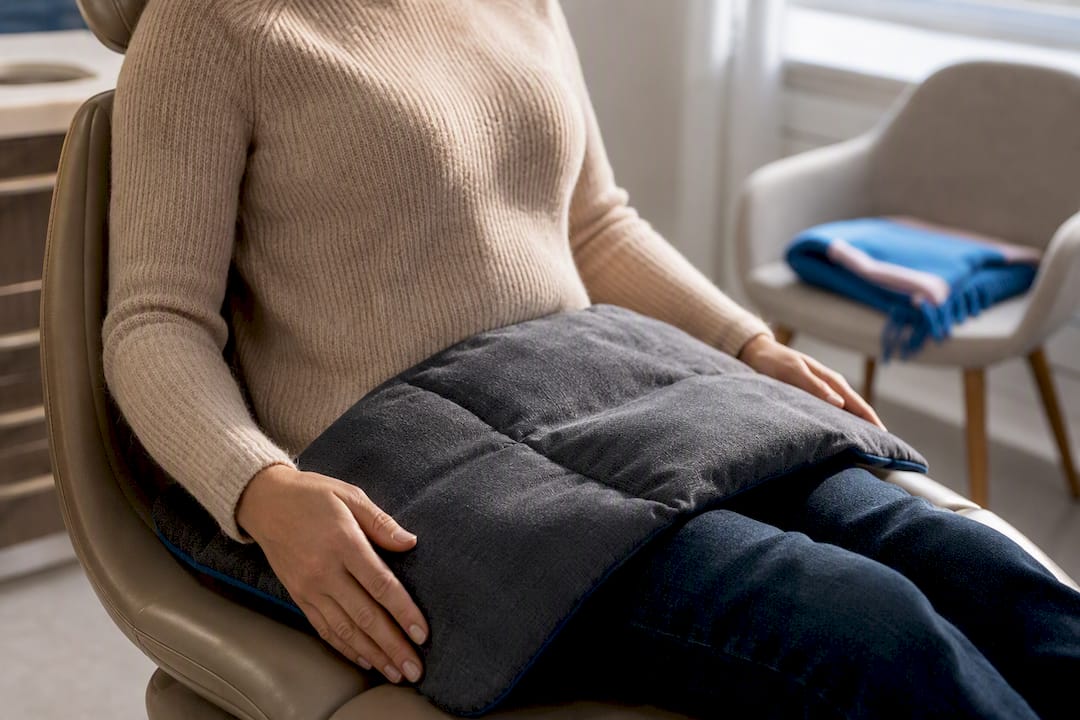
- Weighted lap blanket: Applies deep pressure across your legs and torso, a sensory input linked to lower physiological stress responses.
- Aromatherapy (lavender or citrus, typically): Offers a calming scent cue in the waiting room or chairside, though it should always be optional given allergy and asthma concerns.
- Distraction tech (ceiling-mounted TV, tablet, or VR headset): Gives your eyes and brain something to focus on other than the tray of instruments.
- Nitrous oxide (laughing gas): A mild, fast-acting sedative option layered on top of the physical comforts when anxiety runs higher than blankets and headphones can manage alone.
- Chapstick and warm towels: Small but real. Dry lips and cold hands are minor discomforts that add up during a long appointment.
Suitability shifts by patient. Kids often respond best to distraction tech and a weighted lap pad rather than headphones, since younger patients still need to hear simple verbal cues from the hygienist. Patients with respiratory conditions like asthma or COPD should skip scented aromatherapy and ask about a fragrance-free visit instead. Anyone with sensory processing differences, whether from autism or another condition, may prefer to skip headphones altogether in favor of noise-reducing earplugs that don't fully block ambient sound, which some patients find disorienting.
Pro Tip: If you want noise-canceling headphones but still need to answer the dentist's questions, ask if the office has a microphone-linked system. Dental-specific ANC devices are built to cut the high-frequency whine of a drill while still letting speech through, unlike consumer headphones that mute everything equally.
One more thing worth knowing: none of this is exotic equipment. A patient-centered practice treats these as standard offerings, not upgrades you have to justify. If your current dentist looks confused when you ask for a blanket, that's a signal worth paying attention to.
Why These Comfort Items Actually Work
The items on that list aren't comfort for comfort's sake. Each one targets a specific mechanism your brain uses to process fear and pain, and the research on this has gotten a lot more specific in recent years.
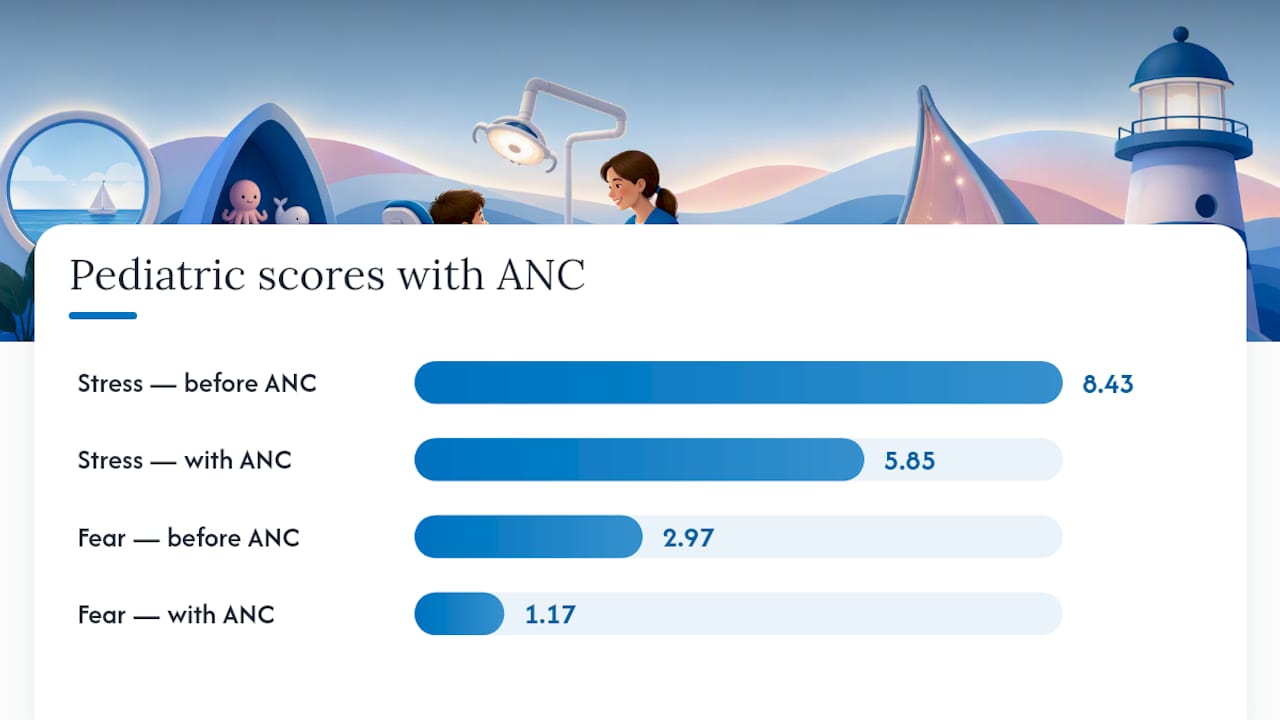
Start with noise. A randomized crossover study found that patients using active noise-canceling headphones during ultrasonic scaling reported significantly lower noise-related and pain-related discomfort compared to when the headphones were switched off. The drill's high-frequency whine isn't just annoying. It's a learned trigger that your brain associates with pain even before any pain occurs, and muting it interrupts that anticipatory spiral. A pediatric trial testing dental-specific sound insulation found stress index scores dropped from 8.43 to 5.85 and fear scores dropped from 2.97 to 1.17 when ANC was used during scaling, without interfering with the dentist's ability to communicate.
That distinction between consumer ANC headphones and dental-specific devices matters more than most patients realize. A comparative acoustic study found that commercial noise-canceling headsets are tuned to block steady tones like airplane engine hum, while dental-specific ANC devices target the 4 to 6 kHz range where dental tools actually peak, all while preserving the 0 to 4 kHz band where human speech lives. If your office has the dental-specific version, ask for it over a pair of consumer earbuds.
Deep pressure works through a different channel entirely. Weighted blankets and lap pads apply consistent, distributed pressure that appears to calm the sympathetic nervous system, the same "fight or flight" system that spikes heart rate and blood pressure in the dental chair.
Aromatherapy and audiovisual distraction round out the evidence picture. A review of sensory-adapted dental environments, sometimes called Snoezelen rooms, found that aromatherapy, audiovisual distraction, and weighted items improved behavioral and physiological relaxation markers, with the strongest effects showing up in pediatric patients. The catch is heterogeneity. Not every study measures the same outcome the same way, so these interventions read as promising and low-risk rather than definitively proven.
Here's the priority order the evidence actually supports:
- Strongest evidence: Noise-canceling headphones, especially dental-tuned devices.
- Solid but more limited evidence: Sensory-adapted environments, audiovisual distraction for kids.
- Supportive but heterogeneous evidence: Weighted blankets, aromatherapy.
A broader systematic review looked at how these non-pharmacological tools stack up against sedation and found that combining both approaches produced larger reductions in anxiety and pain than either used alone; for patients with conditions like TMD, adjunctive treatments such as Botox in Dentistry: An Emerging Application can be a complementary part of clinical care. Pharmacological options like nitrous oxide work fast. Comfort items build durable coping skills that reduce dread before you even sit down. Neither replaces the other. They stack.
How to Request Comfort Items at Your Next Visit
Getting these items isn't complicated, but timing your ask matters. Here's how to do it without awkwardness.
- Call or message ahead when you book. Mention specific triggers ("I get anxious about the drill noise" or "I have sensory sensitivities") so the front desk can flag your chart and set aside equipment.
- Ask directly what's on the comfort menu. Many offices now keep a written list, similar to the comfort menu approach some practices publish, covering blankets, headphones, and nitrous oxide.
- Confirm cleaning procedures for shared items. A quick question about how headphones or weighted blankets get sanitized between patients should get a clear, confident answer.
- Share relevant medical info before the appointment, particularly asthma, sensory conditions, or pregnancy, since these affect whether aromatherapy or sedation are appropriate.
- Ask about longer chair time if you need it. Combining several comfort items, or adding nitrous oxide, sometimes means booking a slightly longer slot so nobody feels rushed.
A simple script works fine: "Before my appointment, can you note that I'd like a blanket, noise-canceling headphones, and information on nitrous oxide if needed? I also have [condition], so I want to check that's compatible."
Pro Tip: If sedation is part of your plan, ask about escort and pickup requirements when you book, not the morning of. Most nitrous oxide use doesn't require a driver, but stronger sedation options do, and finding that out at check-in wastes everyone's time.
Safety and Cleaning: When to Skip a Comfort Item
Shared comfort items need real infection-control protocols, not just good intentions. Ask whether headphones and weighted blankets get wiped down or laundered between patients, since reputable practices should have a clear answer without hesitation.
- Aromatherapy should always be optional. Skip it if you have asthma, are pregnant, or have any scent-related migraine history, and ask for a fragrance-free room instead.
- Weighted blankets need pediatric and respiratory caution. Kids under a certain weight and patients with breathing conditions may need a lighter alternative or a warm blanket instead.
- Nitrous oxide and any stronger sedation require full disclosure of your medical history and, for deeper sedation, a confirmed escort for pickup afterward.
- Medical-grade, wipe-clean materials are the standard for anything reused between patients, weighted blankets included.
How Starboard Dental Puts a Comfort Menu Into Practice
Some modern dental practices build their approach around the idea that comfort tools aren't optional extras bolted onto dentistry. Amenities like ceiling-mounted TVs can give patients something to watch during longer procedures, turning dead time in the chair into something closer to a break than a wait. Personalized comfort items may be offered based on what each patient actually needs, rather than a one-size-fits-all tray.
Same-day appointment availability can also contribute to comfort by reducing wait times for anxious patients. Staff training may focus on recognizing anxiety cues early and offering comfort items like blankets or headphones before a patient asks, which is important because many anxious patients might not request them unprompted. That patient-first posture shows up across general dentistry visits and more involved restorative work alike, where longer chair time makes comfort planning even more important.
What the Research Actually Tells Us to Prioritize
Here's the uncomfortable truth about comfort items: most offices treat them as nice-to-haves, optional extras you mention if you happen to ask. The evidence says that's backwards. Noise control in particular has real clinical data behind it, not just anecdote, and it costs a practice almost nothing to offer a pair of headphones.
Where conventional advice falls short is in treating all comfort items as interchangeable. A lavender diffuser and a pair of dental-tuned ANC headphones are not equally supported by research, and patients deserve to know that difference before they decide what to ask for. If you only have the energy to request one thing, request noise control. If you can add a second, make it something with a deep-pressure component like a weighted lap pad.
The bigger shift, though, is behavioral. Comfort items work best paired with the basics Harvard Health has recommended for years: focused breathing and simple distraction techniques before reaching for sedation. Ask for the blanket. But also breathe.
— Alex
Book a Comfort-Focused Visit With Starboard Dental
Big chain clinics often treat comfort requests as an inconvenience squeezed between packed schedules. Starboarddental built its Kennebunk practice the other way around, with ceiling-mounted TVs, personalized comfort items, and same-day scheduling so anxious patients don't have to wait weeks while their dread builds.
Whether you're due for a routine cleaning or need restorative work like a filling or crown, you can ask ahead for a blanket, headphones, or nitrous oxide when you schedule. Same goes for longer cosmetic procedures where chair time stretches past an hour. Ready to see it in person? Schedule a general dentistry visit and mention any comfort items you'd like waiting for you.
This article is general information, not a substitute for advice from a qualified doctor. Consult a qualified healthcare professional about your own circumstances before acting on anything here.
Sources
- Clinical study: ANC headphones reduce patient discomfort during scaling
- Harvard Health: Coping with dental anxiety
FAQ
What Is the 3-3-3 Dental Rule?
The 3-3-3 rule isn't a standard clinical framework covered in the research here, and definitions vary depending on where you encounter it, so it's best to ask your own dentist what they mean if they reference it.
What Is a Nice Gift for a Dentist?
A handwritten thank-you note or a small gift card tends to be appreciated more than anything elaborate, since most dental offices have policies limiting what staff can accept.
What Is the 2-2-2 Rule in Dentistry?
This isn't a term backed by the clinical sources reviewed here, so treat any specific "2-2-2" claim you see online with caution and confirm directly with a dental provider.
What Is the Most Rare Smile?
"Rarest smile" isn't a dental or clinical classification, it's more of a pop-culture question, and there's no scientific ranking system for smile types in the dentistry research covered here.
Can I Bring My Own Comfort Items to the Dentist?
Yes, most practices allow you to bring your own headphones, blanket, or fidget item, though it's worth calling ahead to confirm your dentist's specific policy and any cleaning requirements for personal electronics.
Does Starboard Dental Offer Comfort Items Like Headphones or Blankets?
Starboarddental offers personalized comfort items and ceiling-mounted TVs as part of its standard patient experience, and you can ask about specific accommodations when booking a general dentistry appointment.