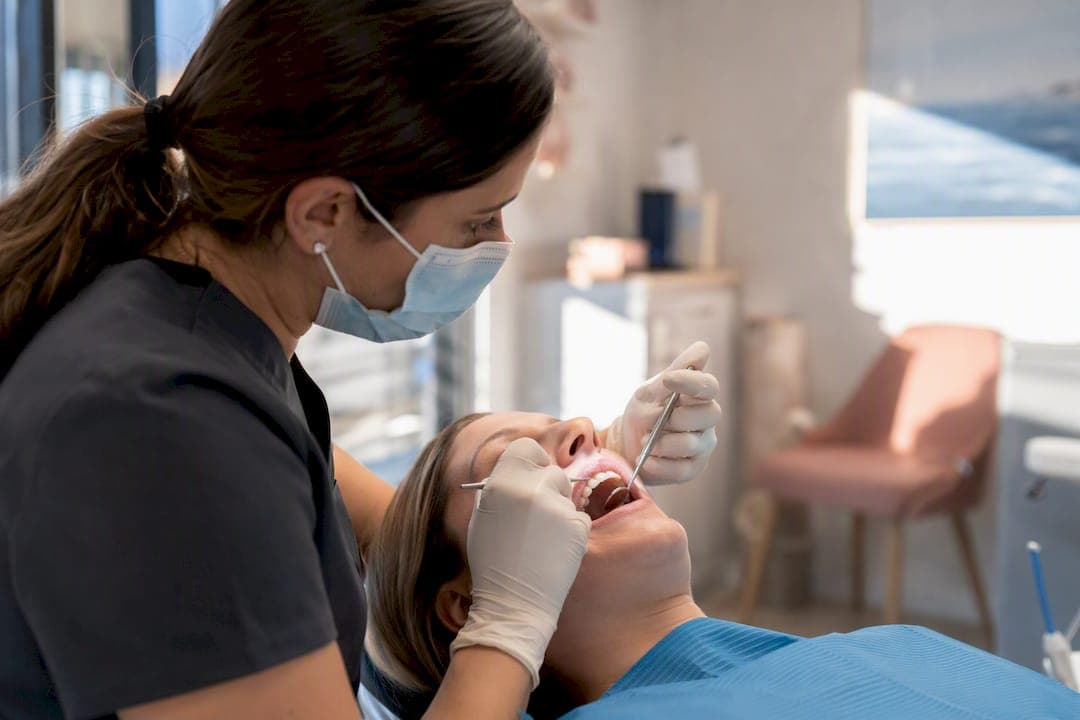
Gingivitis is almost always reversible with a professional cleaning and a genuinely consistent home care routine, usually within one to two weeks. If your gums bleed when you brush, do three things now: book a dental cleaning, brush twice daily and clean between teeth once a day, and use a short-term soothing rinse like warm salt water while you wait for your appointment.
- See a dentist soon if bleeding has lasted more than a few days
- Brush twice a day and floss or use interdental brushes once a day, starting today
- Try a saltwater rinse for comfort, but don't treat it as a substitute for a cleaning
- Get urgent care for heavy bleeding, loose teeth, or severe pain. Those aren't typical gingivitis signs
Key Takeaways
Gingivitis treatment works when professional plaque and tartar removal is paired with a consistent daily brushing and flossing routine at home.
| Point | Details |
|---|---|
| Reversibility is the headline | Early gingivitis typically clears up in one to two weeks with a cleaning plus daily home care. |
| Probing depth is the diagnostic line | Sulcus depths of 1 to 3 mm are healthy; anything past 4 mm signals possible periodontitis. |
| Rinses support, they don't replace | Chlorhexidine and saltwater rinses help short-term but can't substitute for brushing and flossing. |
| Risk factors slow healing | Smoking, diabetes, pregnancy, and certain medications all raise risk or delay recovery. |
| Starboard Dental offers same-day care | Book a cleaning or periodontal exam directly, with comfort features built into every visit. |
Table of Contents
- What Is Gingivitis Treatment Actually Fixing?
- What Are the Signs and Symptoms of Gingivitis?
- What Causes Gingivitis and Bleeding Gums?
- How Do Dentists Diagnose Gingivitis?
- What Happens During Professional Gingivitis Treatment?
- What's the Best At-Home Gingivitis Treatment Routine?
- Do Mouthwash and Home Remedies Help Gingivitis?
- How Long Does It Take to Cure Gingivitis?
- When Should You See a Dentist for Bleeding Gums?
- What Happens at a Starboard Dental Visit for Gum Bleeding?
- What Actually Reverses Gingivitis, and What Doesn't
- Get Gingivitis Treatment at Starboard Dental
- Sources
What Is Gingivitis Treatment Actually Fixing?
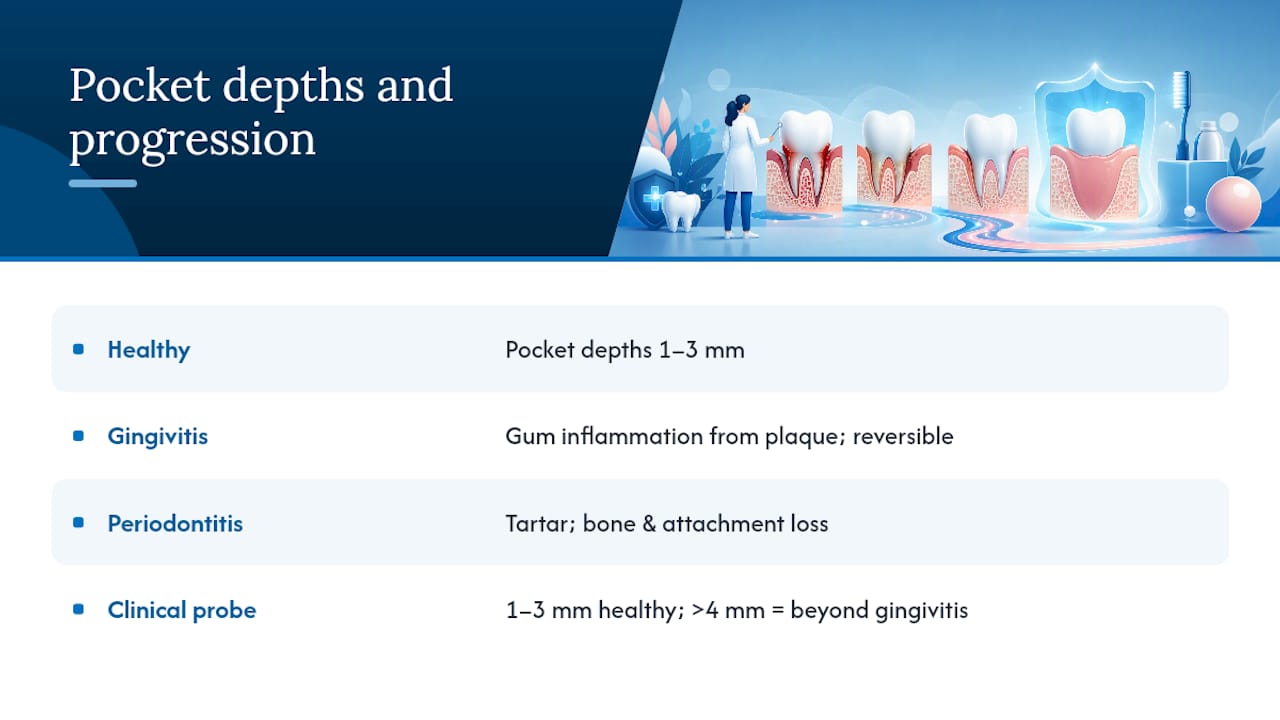
Gingivitis is gum inflammation caused mainly by plaque, the sticky film of bacteria that forms on teeth every day. Caught early, it's fully reversible because no bone or ligament damage has happened yet.
Periodontitis is the next stage, where plaque hardens into tartar and inflammation progresses to bone and attachment loss. Dentists tell the two apart with a periodontal probe: pocket depths of 1 to 3 millimeters are healthy, and anything past 4 millimeters signals the disease has moved beyond simple gingivitis. That distinction determines how urgently you need treatment.
What Are the Signs and Symptoms of Gingivitis?
The classic sign is gums that bleed when brushing or flossing, but a handful of other clues usually show up alongside it.
- Redness or a deeper pink/purple tone along the gumline
- Puffiness or swelling, especially between teeth
- Tenderness or mild soreness when eating or brushing
- Persistent bad breath that doesn't go away with mouthwash
- Gums that look like they're pulling away or changing shape
Pro Tip: Keep a simple log of when and how much your gums bleed for two weeks before your dental visit. Note whether it happens with brushing, flossing, or both. That timeline gives your hygienist a much clearer picture than "my gums bleed sometimes."
Some gingivitis causes no discomfort at all, which is exactly why routine checkups matter even when nothing feels wrong.
What Causes Gingivitis and Bleeding Gums?
Plaque and tartar buildup from inconsistent daily cleaning is the primary driver behind nearly every case. Left on the teeth, plaque hardens into tartar within days, and only a professional cleaning can remove tartar once it forms, according to the National Institute of Dental and Craniofacial Research.
Several factors make some people far more prone to it than others:
- Smoking or other tobacco use, which also slows healing
- Diabetes, particularly when blood sugar is poorly controlled
- Pregnancy hormones, which increase gum sensitivity to plaque (pregnancy gingivitis is common and usually temporary)
- Poor nutrition, chronic stress, and genetic susceptibility
Certain medications raise risk too. Some anticonvulsants, calcium channel blockers, and immunosuppressants are known to cause drug-induced gingival overgrowth, which traps plaque and makes home cleaning harder.
How Do Dentists Diagnose Gingivitis?
Diagnosis starts with a visual exam, followed by periodontal probing around every tooth. A healthy sulcus measures 1 to 3 millimeters; probing is considered the gold-standard way to catch progression toward gum disease before it becomes visible, per NIDCR.
- Pocket depths get charted tooth by tooth
- Visual signs (redness, swelling, recession) are noted alongside probing numbers
- X-rays or a periodontist referral come into play if bone loss is suspected
Bring your bleeding timeline and a list of pocket depths from your last visit if you have one. It helps your dentist see change over time.
What Happens During Professional Gingivitis Treatment?
Professional treatment centers on physically removing plaque and tartar that brushing alone can't reach. That typically means scaling above and below the gumline, and in more established cases, root planing to smooth the tooth root so bacteria have a harder time reattaching, according to the Mayo Clinic. Hygienists use manual scalers, ultrasonic devices, or occasionally lasers, depending on how much buildup has accumulated. Scaling and root planing is the standard of care for anything beyond a routine cleaning.
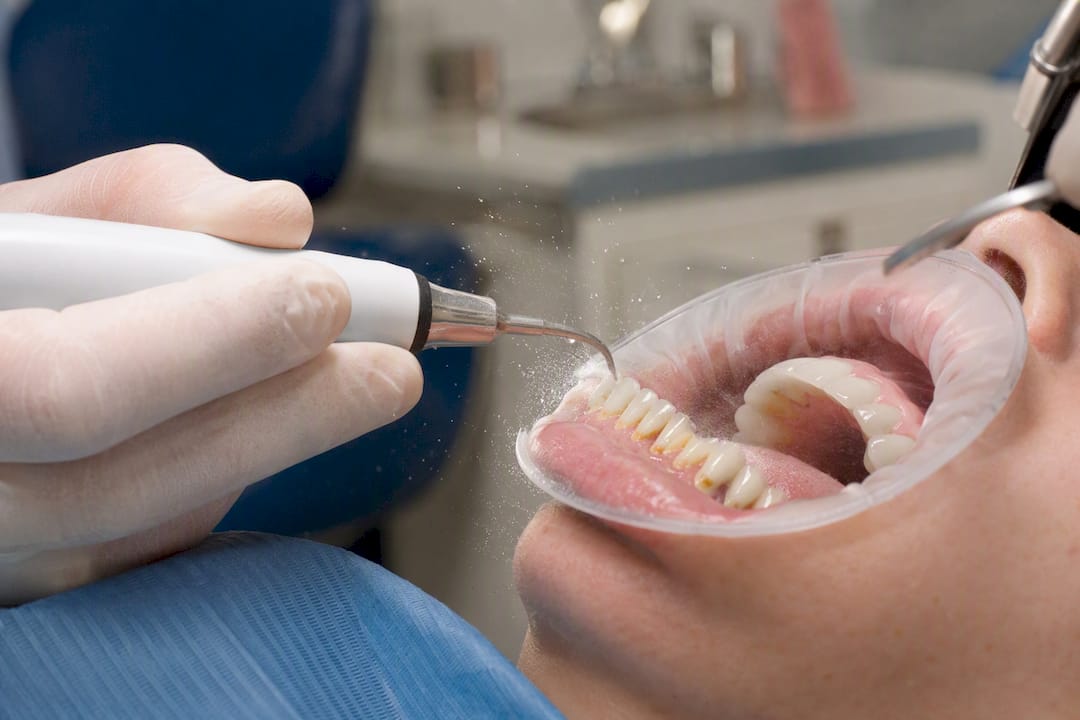
For simple gingivitis, thorough scaling with or without an antibacterial rinse is usually enough, per the Merck Manual.
Here's what the timeline typically looks like:
- The cleaning itself, done in one visit for most cases
- A healing check around one to two months later to confirm the tissue has responded
- Follow-up cleanings scheduled based on individual risk, sometimes more often than the standard six-month interval
Deeper root planing sometimes calls for local anesthesia, and it's normal to have some sensitivity or light bleeding for a day or two afterward. Antibiotics or additional pocket therapy get added only when infection or deeper pockets are involved.
Pro Tip: Don't skip the follow-up visit even if your gums look fine. That reassessment is how your dentist confirms the tissue actually healed instead of just looking better temporarily.
What's the Best At-Home Gingivitis Treatment Routine?
Consistent daily care is what actually reverses gingivitis between cleanings, and it doesn't require anything exotic.
- Brush at least twice daily with fluoride toothpaste, angling bristles toward the gumline at 45 degrees
- Clean between teeth once a day with floss, interdental brushes, or a water irrigator
- Consider an electric toothbrush. The Mayo Clinic notes it can remove plaque more effectively than manual brushing for many people
If traditional floss is awkward for you, floss holders and interdental brushes solve most of the dexterity problems people run into, and a water irrigator works well for anyone with bridges, braces, or tight spaces standard floss can't reach. Our guide on flossing techniques walks through when each tool makes sense.
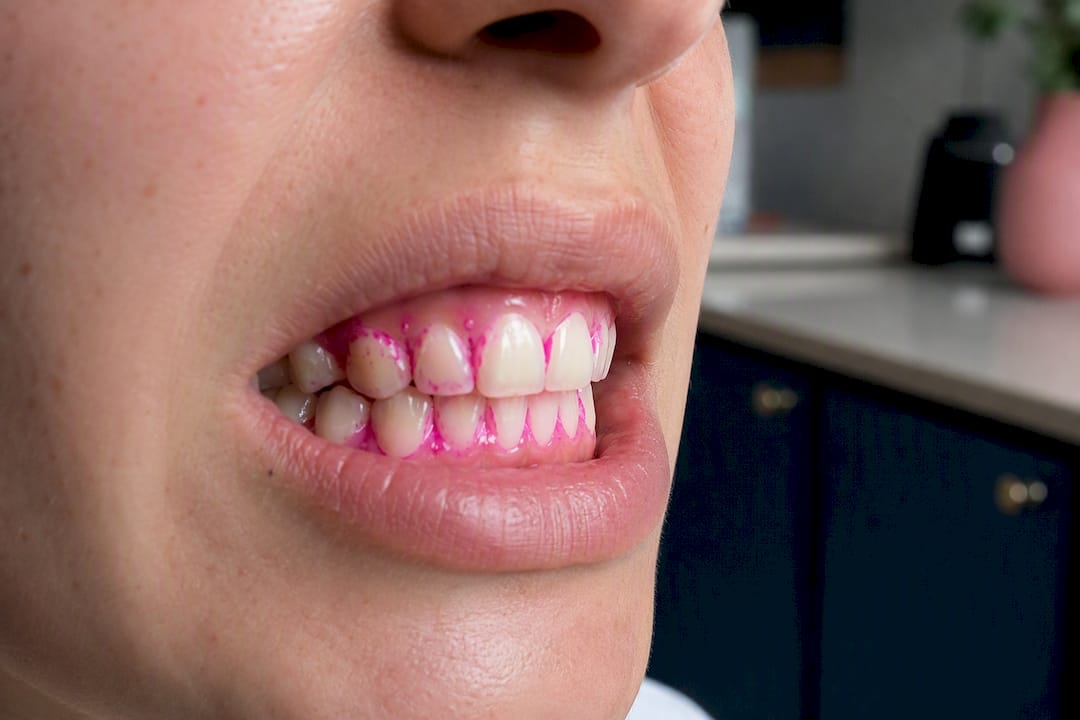
One trick that genuinely changes behavior: plaque-disclosing tablets. They temporarily dye any plaque left on your teeth, so you can see exactly where you're missing the gumline instead of guessing, a tactic Harvard Health points to for improving home technique. Pair that with a fixed routine, brushing right after breakfast and before bed, and book your next cleaning before you leave your current appointment so it's already on the calendar. For a deeper walkthrough of daily technique, see how to clean teeth with gum disease.
Pro Tip: Set a phone reminder for flossing at the same time every night. The habit sticks faster when it's tied to an existing routine, like right after brushing, instead of a standalone task you have to remember.
Do Mouthwash and Home Remedies Help Gingivitis?
Antiseptic rinses like chlorhexidine can meaningfully cut inflammation as a short-term adjunct to brushing and flossing, though they carry a real tradeoff. They're typically recommended for limited stretches because of side effects, most notably tooth staining, since consistent use is what makes them work at all.
Warm saltwater rinses are a gentle, low-risk way to soothe irritated tissue while you wait for your appointment, and some evidence points to mild anti-inflammatory effects from ingredients like pomegranate or green tea when combined with actual mechanical cleaning.
None of these rinses substitute for brushing and interdental cleaning. They support the mechanical removal of plaque; they don't replace it.
How Long Does It Take to Cure Gingivitis?
Most people see bleeding and redness drop noticeably within one to two weeks of a professional cleaning paired with better home care. Deeper treatments get a formal healing check at one to two months, since that's the window clinicians use to confirm tissue has actually recovered rather than just looking calmer.
- Localized gingivitis, confined to a few teeth, tends to resolve after a single treatment session
- Generalized gingivitis across the whole mouth often needs more than one round of scaling
- Recall frequency afterward depends on your personal risk, not a fixed calendar date
When Should You See a Dentist for Bleeding Gums?
Persistent bleeding after two weeks of genuinely consistent home care isn't normal and needs a professional look, along with any of these:
- Pocket depths measuring past 4 millimeters on a recheck
- Teeth that feel loose or shift position
- Pus, swelling that won't subside, or severe pain
Poorly controlled diabetes, immunosuppression, and certain medications can all slow healing regardless of how well you're brushing, and your dentist may coordinate directly with your physician when that's the case, a connection covered in more depth in our piece on diabetes and oral health. Referral to a periodontist generally happens once probing depths or bone involvement suggest periodontitis rather than straightforward gingivitis.
What Happens at a Starboard Dental Visit for Gum Bleeding?
A typical visit starts with a review of your medical history and risk factors, followed by periodontal probing to measure pocket depths around each tooth. From there, you'll get a cleaning or scaling and root planing if buildup calls for it, clear instructions for home care, and a follow-up scheduled for your healing reassessment.
- Local anesthetic options for deeper cleanings, plus comfort amenities during the visit
- Same-day appointments are often available if bleeding has you concerned now
- A full list of conditions treated at the practice, including gum disease
Pro Tip: Bring a list of your current medications and a rough timeline of when the bleeding started. Both details help your hygienist zero in on the cause faster.
What Actually Reverses Gingivitis, and What Doesn't
Most people treat gingivitis backward. They reach for a stronger mouthwash before they fix their flossing technique, when the rinse was only ever meant to support the mechanical cleaning, not replace it. Is dental cleaning safe during pregnancy? Yes, and pregnant patients with bleeding gums shouldn't wait it out assuming it will resolve on its own after delivery. Treating pregnancy gingivitis early prevents it from progressing while hormones are working against you. The pattern that works, in every case I've seen described in the clinical literature, is boring but reliable: professional cleaning first, then a home routine you'll actually keep up. Skip either half and the inflammation comes back.
Get Gingivitis Treatment at Starboard Dental
If your gums are bleeding, waiting rarely makes it better on its own. Starboard Dental offers same-day appointments for patients dealing with active bleeding or discomfort, so you're not stuck waiting weeks while inflammation gets worse.

Our team handles the full range of gum care, from routine general dentistry cleanings to scaling and root planing for more established plaque buildup, with referral to periodontics when a case needs specialty attention. Every visit includes a full periodontal exam, so you leave knowing exactly where your gum health stands and what your recall schedule should look like going forward. Patients also get access to comfort features designed to make cleanings and deeper treatments less stressful, from anesthetic options to entertainment during longer procedures.
If your gums bleed when you brush or you haven't had a cleaning in over six months, schedule a visit with Starboard Dental and get a proper assessment before it progresses further.
Sources
- Gingivitis: Diagnosis and treatment — Mayo Clinic
- Periodontal (Gum) Disease: Treatment / Management — StatPearls / NCBI Bookshelf
- Gingivitis — Merck Manual Professional Edition
- Periodontal (Gum) Disease — NIDCR
Bring any notes or questions from these sources to your next appointment; your hygienist can walk through specifics with you directly.
This article is general information, not a substitute for advice from a qualified doctor. Consult a qualified healthcare professional about your own circumstances before acting on anything here.