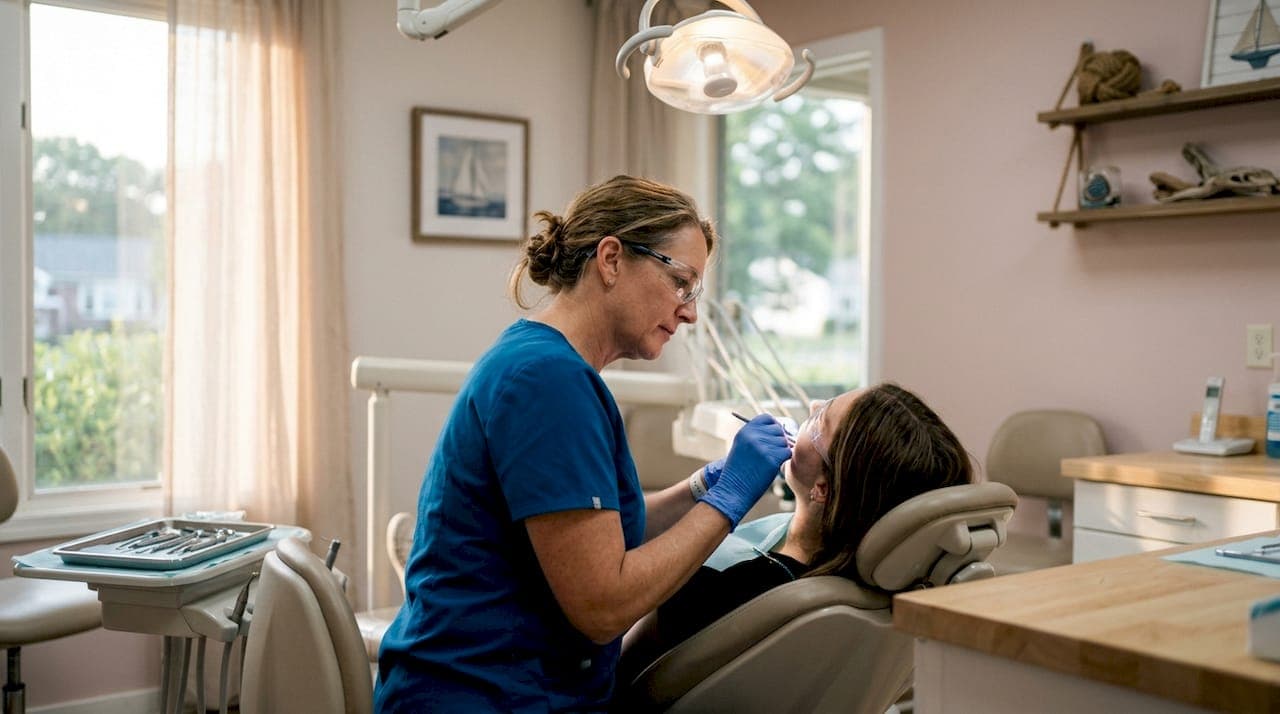
Emergency dental care is the immediate professional treatment of sudden, severe dental problems, including intense pain, tooth fractures, infections, and trauma, that require same-day attention to prevent permanent damage or life-threatening complications. Knowing what qualifies as a true dental emergency, and what to do before you reach the dentist's chair, can mean the difference between saving and losing a tooth. This guide covers the full picture: which symptoms demand urgent dental services, what happens during an emergency visit, how to manage pain at home, and how to access care quickly and affordably.
What counts as a dental emergency?
A dental emergency is any condition that causes severe pain, uncontrolled bleeding, signs of infection, or structural damage that threatens the tooth or surrounding tissue. The American Dental Association and clinical dental protocols define emergency conditions as those requiring treatment within 24 hours to prevent permanent damage or systemic complications. That window is shorter than most patients expect.
The following conditions require same-day care:
- Knocked-out permanent tooth. Every minute outside the socket reduces reimplantation success. Act within 30–60 minutes.
- Uncontrolled bleeding. Oral bleeding that does not slow after 10–15 minutes of firm gauze pressure signals a need for immediate professional care.
- Dental abscess with fever. An abscess that causes fever, facial swelling, or difficulty swallowing can spread infection to the jaw, neck, or airway.
- Jaw trauma or suspected fracture. Any blow to the jaw that causes misalignment, swelling, or inability to close the mouth needs urgent evaluation.
- Severe, unrelenting toothache. Pain that prevents sleep or eating, especially with swelling, points to nerve involvement or infection.
- Exposed nerve from a deep fracture. Breaks that expose nerve tissue cause extreme sensitivity and carry a high risk of infection.
Not every dental problem is an emergency. Small, painless chips may wait for a routine appointment, but breaks that expose nerve tissue or cause fever require prompt care. A lost filling without pain is inconvenient, not urgent. Recognizing the difference helps you act fast when it matters and avoid unnecessary panic when it does not.
Pro Tip: If you are unsure whether your situation is urgent, call a dental office and describe your symptoms. Most practices can triage you over the phone in under two minutes.
What to expect during an emergency dental visit
Walking into an emergency dental visit without knowing what happens next adds stress to an already difficult situation. The process follows a clear sequence, and understanding it helps you stay calm and communicate effectively.
-
Triage and pain assessment. The dental team evaluates your pain level, visible symptoms, and medical history immediately on arrival. Pain management is the first priority. You may receive a local anesthetic or be offered an OTC pain reliever while you wait for imaging.
-
Clinical examination and X-rays. The dentist performs a hands-on assessment of the affected area, then takes digital X-rays to identify fractures, bone loss, abscess formation, or nerve involvement. Digital imaging produces results in seconds, not minutes.
-
Diagnosis and treatment plan. The dentist explains the findings and outlines your options before any procedure begins. Cost transparency at this stage matters. Ask for a written estimate if you are uninsured or uncertain about coverage.
-
Emergency treatment. The procedure depends on the condition:
- Knocked-out tooth: Reimplantation and splinting if the tooth is viable.
- Abscess: Drainage of the infection, followed by antibiotics and a root canal or extraction.
- Severe fracture: Root canal therapy to remove damaged nerve tissue, followed by a temporary or permanent dental crown.
- Uncontrolled bleeding: Suturing or packing the wound.
- Loose or lost crown: Recementation or a temporary restoration.
-
Follow-up plan. Most emergency visits address the acute problem, not the full restoration. The dentist schedules a follow-up to complete any remaining treatment, such as a permanent crown or full root canal therapy.
Dentists provide definitive treatment including X-rays and procedures like root canals and extractions, while emergency rooms offer only pain relief and antibiotics. ER visits are best reserved for life-threatening airway or trauma cases. If your jaw is fractured or your airway is compromised, go to the ER first, then follow up with a dentist.
How to manage pain and injury before you reach the dentist
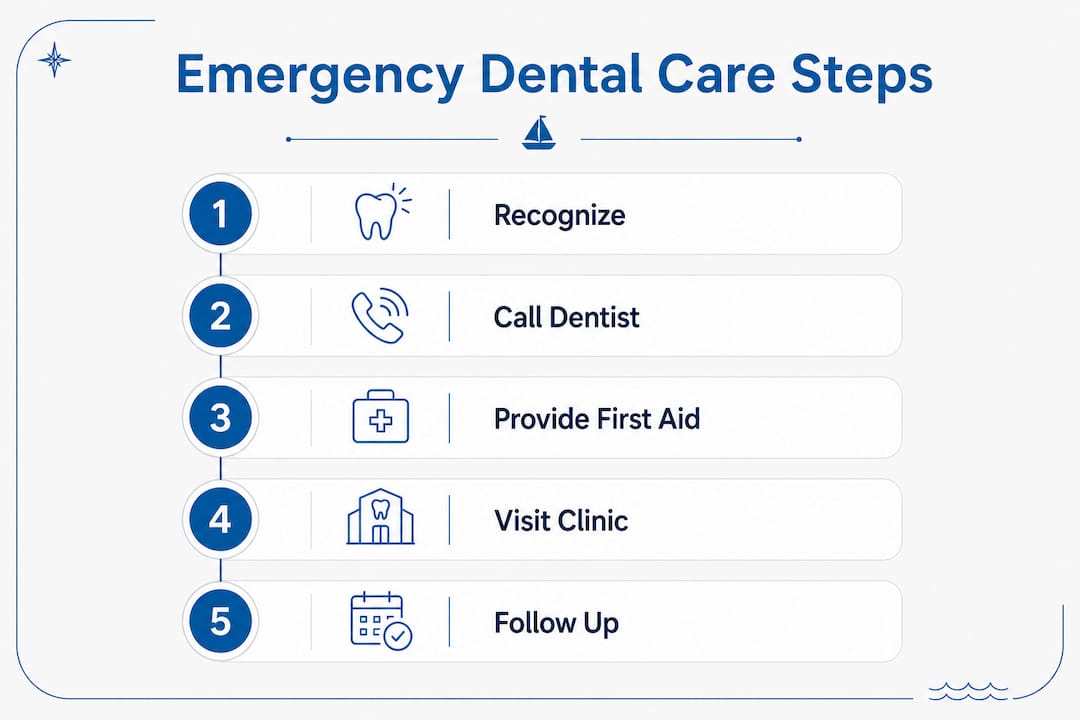
The time between a dental injury and your appointment is critical. The right first aid protects the tooth, controls pain, and prevents the situation from getting worse.

For a knocked-out tooth:
Handle the tooth by the crown only. Never touch the root. If the tooth is dirty, rinse it gently with water without scrubbing. Try to reinsert it into the socket immediately. If reinsertion is not possible, store the tooth in cold milk or hold it between your cheek and gum. Get to a dentist within 30–60 minutes.
For pain and swelling:
Apply a cold compress to the outside of your cheek in 10-minute intervals to reduce swelling. OTC pain medications like ibuprofen or acetaminophen help manage discomfort. Never place aspirin directly on your gums. Direct aspirin contact burns gum tissue and worsens the injury.
For bleeding:
Fold a clean piece of gauze and apply firm, steady pressure to the bleeding site for 10–15 minutes without lifting it to check. Biting down on the gauze helps maintain consistent pressure. If bleeding does not slow after 15 minutes, go to an emergency dentist or ER.
What to avoid:
- Do not use household glue or adhesives to reattach a tooth or crown.
- Do not chew on the injured side.
- Do not apply heat to a swollen area. Heat increases inflammation.
- Do not ignore a dental abscess. Untreated abscesses can spread to the neck and airway within hours.
Pro Tip: Keep a small dental first aid kit at home with gauze pads, a tooth preservation container, and ibuprofen. Pharmacies sell tooth-saving kits for under $15 that include a preservation solution.
Delaying treatment even a few hours can escalate simple trauma into complex cases requiring root canals or extractions. Time is the most important factor in preserving a tooth.
How to access urgent dental services quickly and affordably
Getting to the right place fast is as important as the first aid you apply at home. Knowing your options before an emergency happens saves critical time.
Call ahead. Calling emergency clinics in advance reduces wait times and allows staff to prepare for your specific situation. Specialized urgent dental clinics maintain dedicated emergency slots with average wait times between 25 minutes and 2 hours when patients call ahead. Walk-in wait times are typically longer.
Know the cost range. Emergency dental exam pricing can start around $99 for a new patient exam and bitewing X-rays. Additional imaging, procedures, or materials add to that base cost. Some clinics charge a fixed emergency fee regardless of insurance status. Always ask for an itemized estimate before agreeing to treatment.
Choose the right care location. The table below outlines when to go where:
| Situation | Best care location |
|---|---|
| Knocked-out tooth, severe toothache, abscess | Emergency dentist |
| Broken tooth with exposed nerve | Emergency dentist |
| Jaw fracture, airway swelling, heavy blood loss | Hospital ER |
| Lost filling, minor chip, no pain | Schedule routine appointment |
| Abscess with spreading facial swelling | ER first, then dentist |
Insurance and low-cost options. Most dental insurance plans cover emergency exams at least partially. If you are uninsured, ask about sliding-scale fees, payment plans, or community health centers, which often provide urgent dental services at reduced rates. Dental schools in your area may also offer emergency care at significantly lower costs.
Patients who access dental care through a practice that offers same-day appointments avoid the ER entirely for most dental emergencies. That keeps costs lower and treatment more targeted.
Key takeaways
Emergency dental care requires same-day professional treatment for severe pain, infection, trauma, or tooth loss to prevent permanent damage and systemic complications.
| Point | Details |
|---|---|
| Act within 30–60 minutes | A knocked-out tooth has the best reimplantation success when treated within this window. |
| Know true emergencies | Abscesses with fever, uncontrolled bleeding, and jaw trauma require same-day care. |
| First aid matters | Store a knocked-out tooth in cold milk and apply gauze pressure to control bleeding before your appointment. |
| Call ahead | Phoning an emergency clinic reduces wait times and helps staff prepare for your arrival. |
| Choose the right location | Dentists handle most emergencies; ERs are for airway threats, jaw fractures, and uncontrolled blood loss. |
What I've learned from watching patients wait too long
Most patients who come in after a dental emergency delayed care for one reason: they were not sure it was serious enough. That hesitation is the most expensive mistake in dentistry.
I have seen straightforward cracked teeth turn into extractions because someone waited three days hoping the pain would pass. I have seen abscesses that started as a dull ache become hospital admissions within 48 hours. The pattern is consistent. The patients who do best are the ones who call immediately, describe their symptoms honestly, and let the dental team triage the situation.
The other misconception I encounter constantly is that the ER is the right first stop for tooth pain. Hospital emergency rooms provide antibiotics and pain relief, but they cannot perform dental procedures. Patients leave with temporary relief and a bill, then still need to see a dentist. Going directly to an emergency dental practice saves time, money, and often the tooth itself.
My honest advice: treat dental pain the way you treat chest pain. Do not wait to see if it gets better. Call a dental office, describe what you are experiencing, and let a professional decide the urgency. That one phone call is the most important step in speeding up your recovery and protecting your long-term oral health.
— Alex
Starboarddental is ready when dental emergencies happen
Dental emergencies do not follow a schedule. Starboarddental, located in Kennebunk, offers same-day appointments for patients facing urgent dental situations, from severe toothaches and broken teeth to infections and trauma. The team prioritizes rapid triage, clear cost communication, and treatment that addresses the problem the same day you call.

Starboarddental's general dentistry services cover the full range of emergency and restorative care, including root canals, extractions, crown cementation, and abscess treatment. New patients are welcome, and the intake process is designed to get you seen quickly without unnecessary paperwork delays. If you are dealing with a dental crisis in the Kennebunk area, call Starboarddental before heading to the ER. The right care, delivered fast, protects your teeth and your wallet.
FAQ
What is considered a dental emergency?
A dental emergency is any condition causing severe pain, uncontrolled bleeding, signs of infection such as fever or swelling, or structural damage like a knocked-out or deeply fractured tooth. These conditions require professional treatment within 24 hours to prevent permanent damage.
How do I handle a knocked-out tooth before reaching the dentist?
Hold the tooth by the crown, rinse it gently with water without scrubbing, and try to reinsert it into the socket. If reinsertion is not possible, store it in cold milk or between your cheek and gum, and get to a dentist within 30–60 minutes.
Should I go to the ER or an emergency dentist for tooth pain?
Go to an emergency dentist for most dental problems, including toothaches, abscesses, and broken teeth. Hospital ERs provide only temporary pain relief and antibiotics and cannot perform dental procedures, so they are best reserved for airway swelling, jaw fractures, or severe uncontrolled bleeding.
How much does an emergency dental visit cost?
Emergency dental exam pricing starts around $99 for a basic exam and X-rays, with additional costs for procedures like root canals, extractions, or crowns. Many practices offer payment plans, and dental insurance typically covers at least part of the emergency exam fee.
Can I wait a few days to see a dentist after a dental injury?
Waiting even a few hours can turn a manageable injury into a complex procedure. Delaying care after a knocked-out tooth, deep fracture, or abscess significantly increases the risk of tooth loss and systemic infection. Call a dental office immediately and let the team assess urgency.