Call your orthodontist or dentist right away and get an appointment on the calendar. Do not try to force a cracked or ill-fitting retainer back into place, since that can damage both the appliance and your teeth. If you find the original later, drop it straight into a hard case, away from heat sources and pets, until you can ask a clinician whether it is still safe to wear.
TL;DR:
- Shifting of teeth can begin within 24 to 72 hours after losing or breaking a retainer, making prompt action essential to prevent relapse.
- Using a backup retainer is safe only if it fits fully and comfortably; otherwise, avoid forcing it into place and contact your clinician immediately.
- Retainer replacement costs vary widely based on type and office policies, with digital scans on file allowing faster turnaround times.
- Avoid losing or damaging your retainer by always storing it in a hard case, keeping it away from pets, and cleaning it with lukewarm water and mild soap.
- Seek urgent dental evaluation if you experience pain or fracture fragments, but for simple loss, scheduling a routine replacement promptly is usually sufficient.
Table of Contents
- What to do in the first 24 to 72 hours
- Which type of replacement retainer is right for you
- If your backup retainer feels tight, here's what's safe
- How to avoid losing or damaging your next retainer
- What replacement typically costs and how long it takes
- When you need to be seen sooner rather than later
- What to expect at your appointment for a new retainer
- A note on acting quickly
- Getting your replacement scheduled at Starboard Dental
- Sources
- FAQ
What to do in the first 24 to 72 hours
The first three days after losing or breaking a retainer matter most because minor shifting can start quickly. The American Association of Orthodontists notes that shifting can begin within 24 to 72 hours and that visible movement is sometimes possible within one to two weeks, with the first year after treatment carrying the highest risk overall.
- Call your orthodontic or dental office the same day and describe exactly what happened, lost, cracked, or warped.
- Ask for the next available fit check or evaluation rather than waiting for a routine cleaning slot.
- If you own a backup retainer, test it gently; wear it only in short trials if it seats fully and feels comfortable.
- Stick to soft foods, keep brushing and flossing normally, and store any retainer in a case between wears.
Pro Tip: Never try to reshape a warped retainer with hot water or a hair dryer. Heat that softens plastic enough to bend usually distorts the fit permanently.
Which type of replacement retainer is right for you
Your clinician will pick a replacement based on how you wore your last one, how your bite has held up, and what you need day to day.
- Essix or clear retainers are thin, nearly invisible trays that most patients prefer cosmetically, though they wear down faster and typically need replacing every couple of years.
- Hawley retainers use a wire and acrylic base that holds up to daily handling better and can be adjusted in the office rather than remade from scratch.
- Bonded or fixed retainers are thin wires cemented behind the front teeth, usually recommended for patients with a higher relapse risk, and need regular checks to make sure the bonding hasn't failed.
- Existing digital scans or molds on file can skip the impression step entirely, which often shortens the time between your visit and a finished retainer.
Systematic reviews comparing these methods have found no clear, consistent advantage of one over another across every outcome measured, so the right choice often comes down to your habits and your clinician's judgment, as summarized in research on retention procedures.
If your backup retainer feels tight, here's what's safe
A retainer that feels snug after weeks or months out of use usually means some minor movement has already happened, not a crisis.
- Try wearing it for short stretches over a few days if it seats completely and causes no pain.
- Stop immediately and call your clinician if it won't fully seat, causes real discomfort, or your bite feels different when you close your mouth.
- A clinician may offer a new retainer, a short series of clear aligner trays to nudge teeth back gently, or a full bite evaluation depending on what they find.
- Never force it into place or use heat to make it fit better.
Most relapse happens in the first year after treatment ends, according to the systematic review of retention methods, which is exactly why a tight-feeling retainer deserves a prompt phone call rather than a wait-and-see approach.
How to avoid losing or damaging your next retainer
A few habits eliminate most of the reasons retainers go missing or get chewed up.
- Keep a hard protective case with you at all times and use it every single time the retainer comes out of your mouth.
- Never wrap a retainer in a napkin or tissue. It is the single most common way people accidentally throw them away, per AAO retainer care guidance.
- Clean with lukewarm water and a mild soap or clinician-recommended cleaner, and skip hot water or abrasive toothpaste that can warp or scratch the plastic.
- When traveling, zip the case into a bag rather than a loose pocket, and keep it well out of reach of pets, since chewing is a frequent cause of damage.
- Build a consistent nightly wear routine and set a phone reminder if you tend to forget, then keep up with scheduled follow-ups.
What replacement typically costs and how long it takes
There is no single standard price for a replacement retainer. Cost depends on the type you need, your office's lab fees, and your specific treatment history, a point the AAO addresses directly when explaining why prices vary so widely between practices.
- Digital scans already on file can cut turnaround to a matter of days since the impression step is skipped.
- Starting from scratch with new impressions adds lab fabrication time on top of your appointment.
- Replacing a retainer is almost always far cheaper than the full retreatment that can follow a serious relapse.
- Ask your office directly about insurance coverage and payment options, since policies differ by plan and provider.
When you need to be seen sooner rather than later
Most lost retainers are a routine fix, but a few signs mean you shouldn't wait for the next open slot.
- Get in urgently if you're in significant pain, notice a visible change in how your teeth meet, or have appliance fragments still in your mouth.
- Book a routine replacement visit if the retainer is simply missing and you have no pain or obvious movement.
- Your clinician will check fit, bite alignment, and any early signs of shifting before recommending next steps.
- Bring a short list of questions: expected cost, turnaround time, and whether you already have scans on file.
Pro Tip: Write down when you first noticed the retainer was gone or damaged. That timeline helps your clinician judge how much movement, if any, has likely happened.
What to expect at your appointment for a new retainer
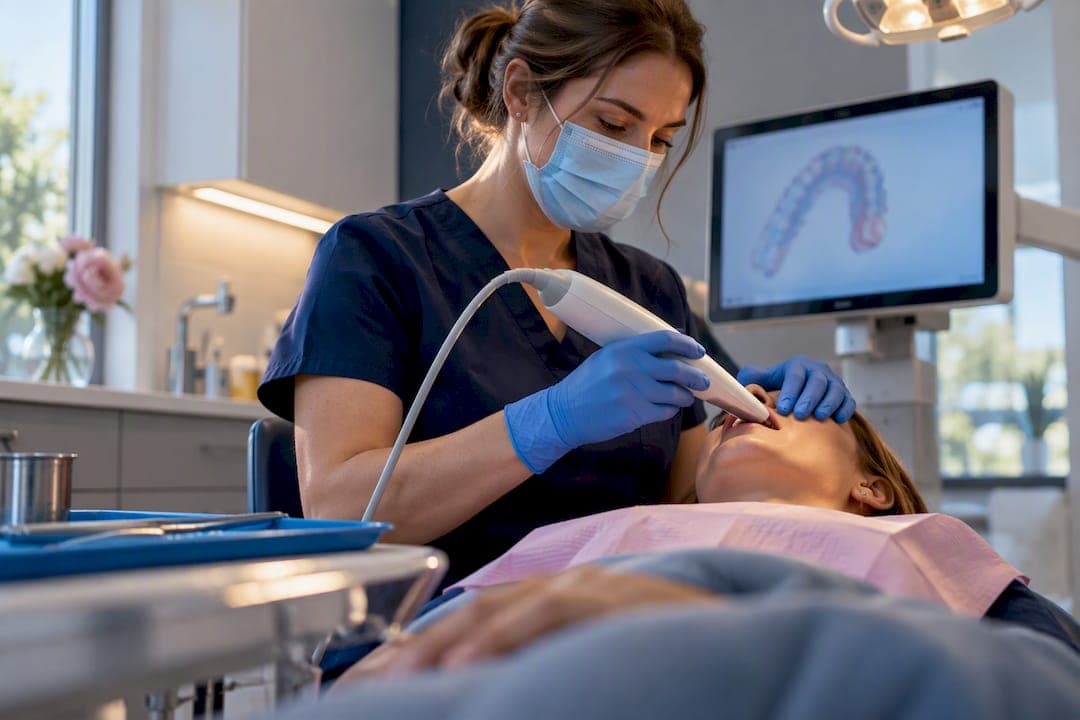
A typical visit starts with an exam and a fit check, followed by a digital scan or traditional impression, then lab fabrication or in-office fitting once the new retainer arrives. Clinics that keep digital scans on file, like Starboard Dental's, can often skip the impression step entirely, which reduces remakes and shortens the wait. Bring your old retainer if you have it, along with your insurance card, and expect a short follow-up to confirm fit once the new one is seated.

A note on acting quickly
Lost retainers are common, and most situations are fixable with a prompt phone call. We would rather see you early and confirm nothing has shifted than have you wait and hope. Call without panic. It's a routine visit, not an emergency in most cases.
— Alex
Getting your replacement scheduled at Starboard Dental
Some dental clinics keep digital scans on file for returning patients, which means many replacement retainers can be ordered without a new set of impressions. Same-day and walk-in appointments are available for patients who need a fast fit check, and the team also handles clear aligner touch-ups when a short series of trays makes more sense than jumping straight to a new retainer.

Bring your old retainer if you still have it, along with your insurance information, and we'll take it from there. Schedule a visit with Starboard Dental to get a fit check and replacement plan started.
Sources
For more detail, see the AAO's retainer FAQs, the cohort study on post-orthodontic stability, and the systematic review of retention methods.
This article is general information, not a substitute for advice from a qualified doctor. Consult a qualified healthcare professional about your own circumstances before acting on anything here.
FAQ
How long can I go without a retainer if I lost it?
There's no fixed safe window, but the AAO notes that shifting can start within 24 to 72 hours and become visible within one to two weeks. Calling your clinician right away, rather than waiting, is the safest approach.
How much does it cost to replace a lost retainer?
Cost varies by retainer type, your office's lab fees, and your treatment history, so there's no single standard price, according to the AAO. Replacing a retainer is typically far less expensive than the retreatment needed after a significant relapse.
How quickly will my teeth shift without a retainer?
Movement can begin within a few days for some patients, with the first year after treatment carrying the highest overall risk, per AAO guidance. A recent cohort study also found that full-time wear and longer wear duration meaningfully lower that risk.
How do I keep my teeth straight if I lost my retainer?
Contact your clinician promptly for a fit check and replacement plan rather than waiting it out. If minor shifting has already started, some clinicians use a short series of clear aligner trays to correct it before fitting a new retainer.