
Diet determines whether your teeth face repeated acid attacks or get a chance to recover. Reducing free (added) sugar intake and cutting the frequency of sugar exposure is the single most effective dietary step to prevent dental caries, according to the World Health Organization, the American Dental Association (ADA), and NCBI/StatPearls clinical reviews. The mechanism is direct: plaque bacteria ferment the sugars you eat, produce acid, and that acid dissolves enamel. Each sugar exposure leads to a period of low plaque pH lasting around twenty to thirty minutes. Eat sugar six times a day and your teeth spend most of the day under attack.
The WHO recommends limiting free sugars to less than a tenth of total daily energy intake, aiming for even lower intake for greater protection. Populations consuming fewer than 15–20 kg of free sugars per person per year show consistently lower rates of dental decay.
Start here:
- Limit sugar events to four or fewer per day.
- Eat sweets and sugary drinks with meals, not between them.
- Choose water or unsweetened tea over soda and juice.
- Finish meals with cheese, raw vegetables, or sugar-free xylitol gum to stimulate saliva.
- Brush twice daily with fluoride toothpaste and schedule regular dental checkups.
Table of Contents
- How does diet cause tooth decay, and how is it different from erosion?
- Which foods and drinks put your teeth at the highest risk?
- What foods and nutrients actually protect your teeth?
- Practical meal-by-meal strategies to lower your decay risk
- Who needs extra attention: children, dry mouth, braces, and GERD
- How diet, fluoride, and oral hygiene work together
- What do the guidelines and evidence actually say?
- How strong is the evidence, and where do the gaps remain?
- Key Takeaways
- Nutrition counseling belongs in every dental visit
- Personalized prevention at Starboarddental
- Useful sources and further reading
How does diet cause tooth decay, and how is it different from erosion?
Dental caries is a dietary-microbial disease. Three things must be present simultaneously: a susceptible tooth surface, cariogenic bacteria in the biofilm (plaque), and fermentable carbohydrates from the diet. Remove any one of those three and caries cannot develop.
When you eat fermentable carbohydrates — sucrose, glucose, fructose, maltose — the bacteria in plaque metabolize them and produce organic acids, primarily lactic acid. Those acids accumulate in the fluid layer of the biofilm and drive plaque pH below the critical threshold of approximately 5.5. Below that point, enamel minerals dissolve faster than saliva can replace them. That is demineralization. Repeat it often enough and a cavity forms.
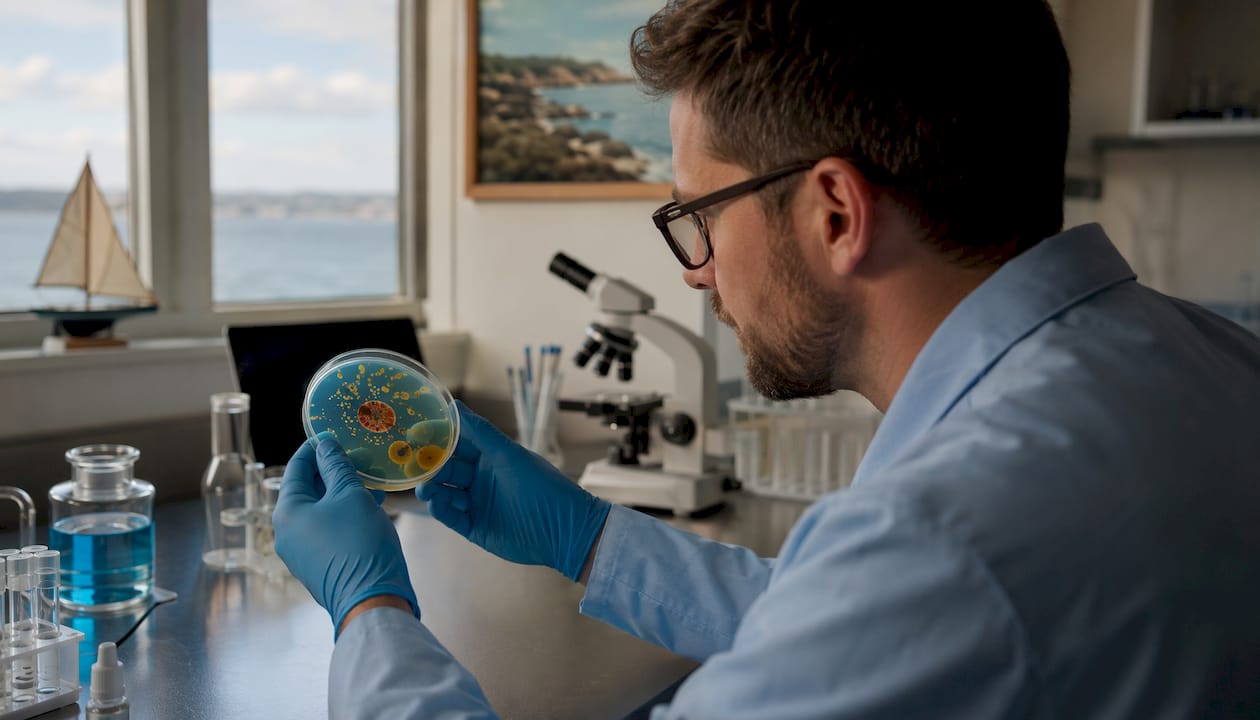
Streptococcus mutans is the most studied cariogenic species, but it is not alone. Frequent sugar intake shifts the entire oral microbiome toward an acidogenic, aciduric community. Sucrose specifically favors cariogenic ecology — fiber, polyols, and polyphenols tend to preserve a healthier microbial balance. That microbiome shift is why dietary change matters beyond just the chemistry.
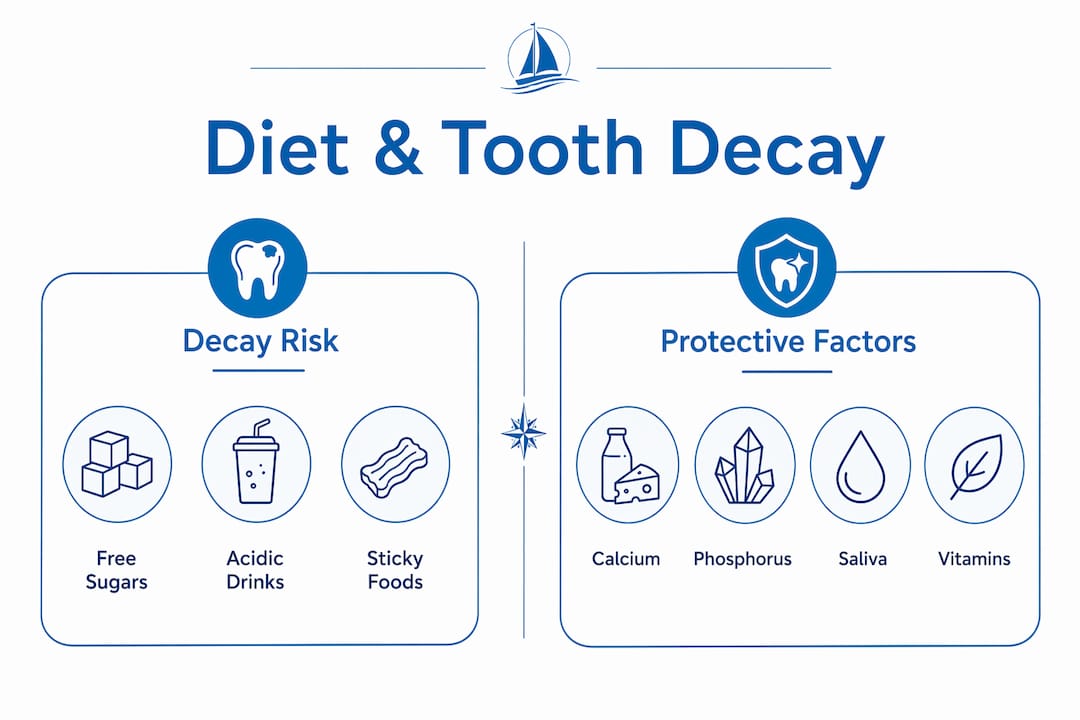
Erosive tooth wear is a different process. Dietary acids — from soft drinks, citrus juice, sports drinks, and some vinegar-based foods — dissolve enamel chemically, without bacteria. pH matters here, but so does buffering capacity and mineral content. A food's erosive potential is not simply its pH. Yogurt, for example, has a pH around 4.0 but is not considered erosive because its calcium, protein, and buffering capacity offset the acidity. A low-pH sports drink with no calcium is far more erosive than yogurt at the same pH. That distinction shapes which acidic foods you actually need to worry about.
Pro Tip: Pair acidic or sugary foods with a protective item — a piece of cheese, a glass of milk, or plain water — to buffer the acid and shorten the pH recovery window.
Which foods and drinks put your teeth at the highest risk?
Not all sugary or acidic foods carry equal risk. Stickiness, sugar type, contact time, and how often you eat them all modify the danger.
Highest-risk items:
- Sugar-sweetened beverages (sodas, sweetened teas, energy drinks, fruit punch): liquid sugar coats every tooth surface instantly, and sipping over time keeps plaque pH suppressed for hours. The cariogenic potential is high even though these drinks are not sticky.
- Confectionery and hard candies: sucrose is the most cariogenic dietary sugar, and hard candies dissolve slowly, prolonging acid exposure. Gummy and chewy candies add stickiness, which extends contact time further.
- Sticky sweets and dried fruit: raisins, fruit leather, and caramel adhere to pits and fissures. Adhesiveness directly increases cariogenic potential because the sugar stays in contact with enamel long after you stop eating.
- Fruit juices and concentrates: even 100% juice strips the protective fiber from fruit and delivers a concentrated sugar load. Sipping juice throughout the day is nearly as damaging as sipping soda.
- Sweetened cereals and processed snack foods: cooked starch is roughly one-third to one-half as cariogenic as sucrose, and combining starch with sucrose may be more cariogenic than either alone. Breakfast cereals that coat teeth in a sticky, sugary film are a common underestimated risk.
Moderate-risk items:
- Sweetened dairy snacks (flavored yogurts, chocolate milk): the dairy matrix buffers acidity and provides calcium, but added sugar still feeds cariogenic bacteria. Frequency matters more than the single serving.
- White bread, crackers, and refined starches: low in sugar but high in rapidly digestible starch that bacteria can ferment. Adhesive crackers that pack into interproximal spaces are a particular concern.
Erosive items (chemical, not bacterial):
- Carbonated soft drinks and energy drinks: low pH plus low buffering capacity plus prolonged sipping is the worst combination for erosion.
- Citrus juices and sports drinks: frequent consumption, especially when sipped slowly, keeps enamel in a demineralizing environment without the bacterial component.
Pro Tip for parents and orthodontic patients: Sticky candies are doubly dangerous around brackets and wires — they pull at hardware and pack sugar into plaque traps. Switch to sugar-free alternatives and rinse with water immediately after any acidic drink.
What foods and nutrients actually protect your teeth?
Prevention is not only about cutting bad foods. Several nutrients and eating behaviors actively support remineralization and keep plaque pH in a safe range.
Calcium and phosphorus: the structural minerals
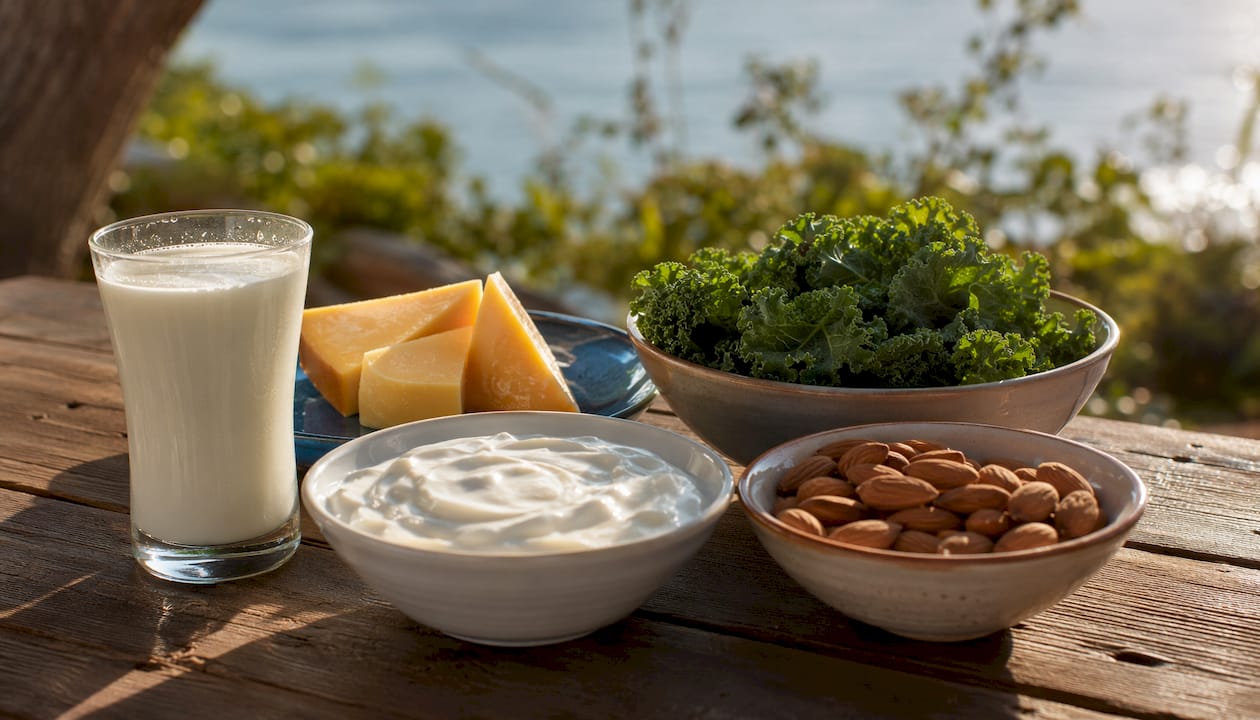
Milk, plain yogurt, cheese, calcium-fortified tofu, leafy greens, and almonds supply the calcium and phosphorus that enamel needs to remineralize after an acid attack. Cow's milk is classified as non-cariogenic and may even protect teeth through its high calcium and casein content. Casein phosphopeptides in dairy bind to enamel and help stabilize calcium and phosphate at the tooth surface. Protein-rich foods like meat, fish, and eggs contribute phosphorus, the other key mineral in the remineralization equation.
Saliva stimulation: your mouth's built-in defense
Saliva neutralizes plaque acid, delivers calcium and phosphate to enamel, and physically washes food debris away. Hard cheeses, raw vegetables, peanuts, and whole-grain foods stimulate saliva flow. Sugar-free gum, particularly xylitol-containing gum, goes a step further: xylitol cannot be metabolized by most cariogenic bacteria, so it stimulates saliva without feeding acid production. Clinical trials support xylitol's anti-cariogenic properties, making it one of the few non-sugar sweeteners with direct evidence beyond simply being non-cariogenic.
Other non-cariogenic sweeteners — sucralose, stevia, erythritol — do not feed cariogenic bacteria, but their direct clinical evidence for caries reduction is thinner than xylitol's. They are safe choices, just not equivalent substitutes for xylitol's active anti-cariogenic effect.
Vitamins and overall nutritional status
Vitamin D supports calcium absorption and plays a role in enamel formation during tooth development. Vitamin C is critical for healthy gingival tissue and wound healing. Vitamin A contributes to enamel formation. Deficiencies in any of these can compromise the structural integrity of teeth and the health of surrounding tissues, making them more susceptible to disease. A diet rich in fresh vegetables, fruits, and whole-grain starches and low in added sugars supports both oral and systemic health.
Pro Tip: Finish a meal with a small piece of hard cheese. It stimulates saliva, delivers calcium directly to the tooth surface, and raises plaque pH — three protective actions in one bite.
Practical meal-by-meal strategies to lower your decay risk
Knowing which foods are risky is useful. Having a daily plan is better.
Why meal timing matters as much as food choice
Each sugar exposure triggers roughly 20–30 minutes of acid attack. Limiting sugar events to four or fewer per day is a clinically supported target. One study of 436 patients found that consuming sugar with meals no more than four times per day had low impact on caries development, while sugar between meals was strongly linked to high caries activity. Eating a cookie with lunch is less damaging than eating the same cookie as a mid-afternoon snack, because the meal's saliva response and food volume help buffer the acid.
Practical food swaps
| Instead of | Choose | Why it helps |
|---|---|---|
| Sugar-sweetened soda | Water or unsweetened tea | Eliminates acid and sugar exposure entirely |
| Gummy candy | Fresh fruit + small piece of cheese | Fruit fiber and cheese calcium buffer acidity |
| Sweetened flavored yogurt | Plain yogurt + fresh berries | Removes added sugar; dairy matrix remains protective |
| Fruit juice | Whole fruit | Fiber slows sugar release; chewing stimulates saliva |
| Sweetened cereal | Plain oats + nuts | Reduces fermentable sugar; nuts stimulate saliva |
Your daily tooth-friendly checklist
- Keep sugary food and drink events to four or fewer, and place them at mealtimes.
- Drink water between meals — it rinses residual sugars and keeps saliva flowing.
- Use fluoride toothpaste twice daily; do not rinse with water immediately after brushing.
- Chew sugar-free xylitol gum for 10–20 minutes after meals when brushing is not possible.
- Avoid sugary snacks or drinks in the hour before bed, when saliva flow drops.
Reading labels and spotting hidden sugars
Added sugars appear under many names: high-fructose corn syrup, cane juice, maltose, dextrose, fruit concentrate, and honey all count as free sugars. Check the ingredient list, not just the nutrition facts panel. If any form of sugar appears in the first three ingredients, the product is likely high in free sugars.
Pro Tip for clinicians: A 2–3 minute chair-side script works well: "How many times a day do you eat or drink something sweet, including juice or flavored coffee? Let's see if we can get that to four or fewer, and move those to mealtimes." That single question opens a productive, non-judgmental conversation.
Who needs extra attention: children, dry mouth, braces, and GERD
Some patients face elevated risk regardless of how carefully they follow general guidelines.
Children and infants:
- Night-time bottle feeding with milk, formula, or juice is a leading cause of early childhood caries. The pooling of liquid around teeth during sleep, combined with reduced saliva flow, creates prolonged acid exposure. Water is the only safe bedtime bottle.
- Frequency of sugary snacks matters more in young children than in adults because primary teeth have thinner enamel. Parents should aim for structured meal and snack times rather than continuous grazing. For detailed guidance on children's dental care, structured feeding schedules and early fluoride exposure are the two highest-impact interventions.
- Parental counseling should start before the first tooth erupts, covering feeding practices, introduction of solid foods, and the timing of the first dental visit.
Xerostomia (dry mouth):
- Saliva is the mouth's primary defense against caries. When salivary flow drops — from medications, radiation therapy, Sjögren's syndrome, or dehydration — caries risk rises sharply.
- Avoid sugary lozenges marketed for dry mouth; many contain sucrose or glucose. Choose xylitol-based lozenges or saliva substitutes instead.
- Sip water frequently, especially between meals. Avoid alcohol-containing mouthwashes, which worsen dryness.
Orthodontic patients:
- Brackets, bands, and wires create plaque traps that are difficult to clean. Any sugar exposure is more dangerous because bacteria accumulate in areas that toothbrushes cannot easily reach.
- Avoid sticky and hard foods entirely during treatment. Soft fruits, vegetables, dairy, and whole grains are safer choices.
- Fluoride rinses and targeted interdental cleaning are especially important during orthodontic treatment.
GERD and eating disorders:
- Gastroesophageal reflux disease (GERD) exposes teeth to stomach acid repeatedly, causing erosive wear that looks different from caries but can be equally destructive. The palatal surfaces of upper teeth are often affected first.
- Eating disorders involving purging expose teeth to highly acidic gastric contents. Patients should not brush immediately after an episode — rinsing with water or a fluoride rinse is safer. These patients need a coordinated referral to a gastroenterologist or mental health provider alongside dental care.
- When erosion patterns suggest GERD or an eating disorder, refer promptly. Dental findings are often the first clinical sign of these conditions.
How diet, fluoride, and oral hygiene work together
Diet is one leg of a three-legged stool. Fluoride and plaque control are the other two, and none of the three works as well without the others.
Fluoride works by incorporating into enamel as fluorapatite, which is more resistant to acid dissolution than the original hydroxyapatite. Community water fluoridation and fluoride toothpaste both reduce caries incidence at the population level. Topical fluoride — varnish, gels, or prescription-strength toothpaste — is indicated for high-risk patients, including those with xerostomia, active caries, or orthodontic appliances. For a thorough breakdown of how fluoride works at each concentration, the fluoride in dental health guide covers clinical applications in detail.
Fluoride modifies the diet–caries relationship but does not eliminate it. Population data show that even in fluoridated communities, high free-sugar intake still drives higher caries rates. Fluoride raises the threshold; it does not make sugar harmless.
Do/don't behaviors that tie diet and hygiene together:
- Do rinse with plain water immediately after an acidic drink or meal.
- Do wait 30–60 minutes before brushing after an erosive exposure (acidic food or drink, or a reflux episode) — brushing while enamel is softened accelerates wear.
- Do brush with fluoride toothpaste last thing at night and spit without rinsing to maximize fluoride contact time.
- Don't brush immediately after vomiting; rinse with water or a fluoride rinse first.
- Don't sip acidic or sugary drinks over extended periods — finish them quickly or use a straw to reduce tooth contact.
Pro Tip: Advise patients to keep a glass of water at the bedside instead of juice or soda. The swap costs nothing and eliminates the most common source of nocturnal acid exposure.
What do the guidelines and evidence actually say?
The evidence base here is unusually strong for a nutrition topic.
The WHO guideline is the anchor number: free sugars below 10% of total energy intake, with a conditional recommendation to target below 5% for additional benefit. The 2014 systematic review that informed this guidance found higher caries incidence when free-sugar intake exceeded 10% of energy. The ADA's nutrition and oral health guidance references the same systematic evidence base.
Key numbers from the evidence include a critical pH around 5.5 below which enamel demineralization occurs; a population-level free sugar intake threshold linked to low caries levels; an advised clinical limit on the number of daily sugar exposures; and a roughly twenty to thirty minute acid attack period following sugar intake.
The single most cited finding: populations consuming fewer than 15–20 kg of free sugars per person per year show consistently low rates of dental decay — a threshold that translates to roughly 40–55 grams of free sugar per day.
The evidence for frequency versus amount is nuanced. Both matter, but they are hard to separate in real-world studies because people who eat sugar often also eat it frequently. The practical implication is to address both: reduce total free-sugar intake and consolidate what remains into mealtimes.
What the evidence supports with high confidence:
- Free sugar intake drives caries — mechanistic, animal, epidemiological, and clinical trial evidence all converge.
- Fluoride modifies but does not eliminate the sugar–caries relationship.
- Sucrose is more cariogenic than other sugars; xylitol is actively anti-cariogenic.
Where evidence is moderate or still evolving:
- Dairy's protective effect is well-supported but most studies are observational.
- Xylitol benefits are supported by clinical trials, though optimal dose and delivery method are still being refined.
- Dietary modulation of the oral microbiome is mechanistically plausible and supported by early research, but large-scale clinical trials are limited.
How strong is the evidence, and where do the gaps remain?
The link between free-sugar intake and dental caries is one of the most consistently replicated findings in nutritional epidemiology.
| Evidence area | Study types | Confidence level |
|---|---|---|
| Free sugars → caries | RCTs, cohort studies, mechanistic, population data | High |
| Sugar frequency vs. amount | Cross-sectional, observational | High (both matter; hard to separate) |
| Xylitol → caries reduction | RCTs, clinical trials | Moderate–high |
| Dairy → protective effect | Observational, mechanistic | Moderate |
| Acidic beverages → erosion | Mechanistic, clinical | High for erosion; moderate for caries |
| Microbiome dietary modulation | Mechanistic, early clinical | Evolving |
The main limitations in the literature are methodological. Dietary studies rely on self-reported intake, which is notoriously imprecise. Isolating a single food's effect is nearly impossible in free-living populations. Fluoride use, oral hygiene, socioeconomic status, and genetics all confound the sugar–caries relationship. That said, the mechanistic evidence is so clear — bacteria, acid, demineralization — that the causal pathway is not seriously disputed. The uncertainty is in the dose-response details, not the direction.
Recent microbiome research adds another layer. Sucrose strongly drives cariogenic microbial communities, while fiber, polyols, and polyphenols help preserve microbial balance. This work supports the idea that dietary change affects not just the chemical environment in the mouth but the bacterial community itself — a finding with implications for long-term prevention beyond any single meal.
Key Takeaways
Diet is the primary modifiable driver of dental caries: limiting free sugars to under 10% of daily energy intake and keeping sugar events to four or fewer per day reduces acid attack frequency and supports enamel remineralization.
| Point | Details |
|---|---|
| Limit sugar frequency | Keep sugar events to four or fewer per day; place them at mealtimes to reduce acid attack duration. |
| WHO sugar target | Free sugars below 10% of total energy (target: under 5%) is the evidence-backed guideline for caries prevention. |
| Protective foods matter | Dairy, hard cheese, raw vegetables, and xylitol gum stimulate saliva and supply calcium and phosphate for remineralization. |
| Fluoride and diet work together | Fluoride raises enamel's acid resistance but does not cancel the effect of high sugar intake — both strategies are needed. |
| Starboarddental preventive care | Starboarddental offers personalized dietary risk reviews and preventive care to help patients apply these strategies to their own diet and oral health. |
Nutrition counseling belongs in every dental visit
The conventional model treats diet advice as someone else's job — the dietitian's, the primary care doctor's, maybe a pamphlet in the waiting room. That model is wrong, and the evidence makes it increasingly hard to defend.
Oral tissues respond to dietary changes faster than almost any other tissue in the body. A shift toward high free-sugar intake shows up in caries activity and gingival inflammation before it shows up in blood glucose or body weight. That makes the dental chair one of the earliest and most effective places to catch a dietary problem and do something about it.
A two-minute conversation at a checkup — "How many times a day do you eat or drink something sweet?" — is not overreach. It is exactly the kind of brief, targeted intervention that clinical evidence supports for changing behavior. Dentists and hygienists see patients on a schedule that primary care providers often do not match. That access is an asset that the profession underuses.
The ADA recognizes a bidirectional relationship: poor oral health limits food choices and worsens nutrition, while diet directly damages oral tissues. That loop is worth breaking at both ends. For high-risk patients — those with xerostomia, active caries, GERD, or suspected eating disorders — a referral to a registered dietitian or the appropriate medical specialist is not optional, it is part of the standard of care. Interdisciplinary collaboration between dentists, hygienists, dietitians, and physicians is the model the evidence points toward, and it is more achievable in practice than it sounds. A warm handoff and a shared note are often enough to start.
For practices looking to build this into their workflow, creating a non-clinical, welcoming atmosphere makes patients far more likely to engage honestly about their diet and lifestyle — which is the prerequisite for any counseling to land.
Personalized prevention at Starboarddental
Knowing the science is one thing. Applying it to your specific teeth, diet, and risk profile is another. Starboarddental's general dentistry services in Kennebunk include preventive checkups where dietary risk is part of the conversation, not an afterthought. If decay has already started, the restorative dentistry team addresses it with the same precision and care. The practice also covers periodontal health, which shares many of the same dietary risk factors as caries.

Starboarddental's approach pairs clinical findings with practical, personalized guidance — so you leave a checkup knowing exactly which changes will make the biggest difference for your mouth, not just a generic list. Same-day appointments are available for patients who want to get started. Book a preventive visit and get a dietary risk review tailored to your oral health history.
Useful sources and further reading
The sources below are the primary references behind the clinical claims in this article. Each is worth consulting directly for policy-level detail or primary literature.
- WHO Fact Sheet: Sugars and Dental Caries — The primary source for the <10% and <5% energy guidelines and the 15–20 kg/person/year population threshold. Updated periodically; check for the current version before citing in clinical policy documents.
- StatPearls: Diet and Nutrition to Prevent Dental Problems (NCBI Bookshelf) — A continuously updated clinical review covering sucrose cariogenicity, frequency effects, xylitol evidence, and dietary guidelines for special populations. Ideal for clinicians needing a concise evidence summary.
- StatPearls: Dental Caries (NCBI Bookshelf) — Covers the biofilm-mediated mechanism of caries development, the role of acidogenic bacteria, and the shift from homeostatic to cariogenic microbiota. Strong mechanistic grounding.
- ADA: Nutrition and Oral Health — The ADA's clinical guidance page, referencing systematic review evidence linking free-sugar intake above 10% of energy to higher caries incidence. Useful for patient-facing citations.
- PMC: Dental Caries Mechanism Review — Peer-reviewed mechanistic review explaining the biofilm-fermentable carbohydrate-acid-demineralization pathway and the distinction between caries and erosive wear.
- NCBI Bookshelf: Diet and Health — Dental Caries — Population-level historical and cross-national data on sugar availability and caries prevalence; covers fluoride's modifying effect and the role of adhesive food properties.
- Scielosp/BWHO: Buffering Capacity and Erosive Risk — Explains why pH alone does not determine erosive potential; the yogurt example (pH ~4.0, low erosive risk) is drawn from this source.
- ScienceDirect: Food–Microbiota Interactions in the Oral Cavity — Recent review on how dietary components shift oral microbial communities; supports the microbiome section's claims about sucrose, fiber, and polyols.
- PubMed: Nutrition and Oral Health (Clinical Perspective) — Clinical perspective on oral health as an early indicator of nutritional problems and the case for integrating dietary screening into dental visits.
This article provides general health information for educational purposes and is not a substitute for professional dental or medical advice. Consult a licensed dental professional for guidance specific to your oral health history and risk profile.