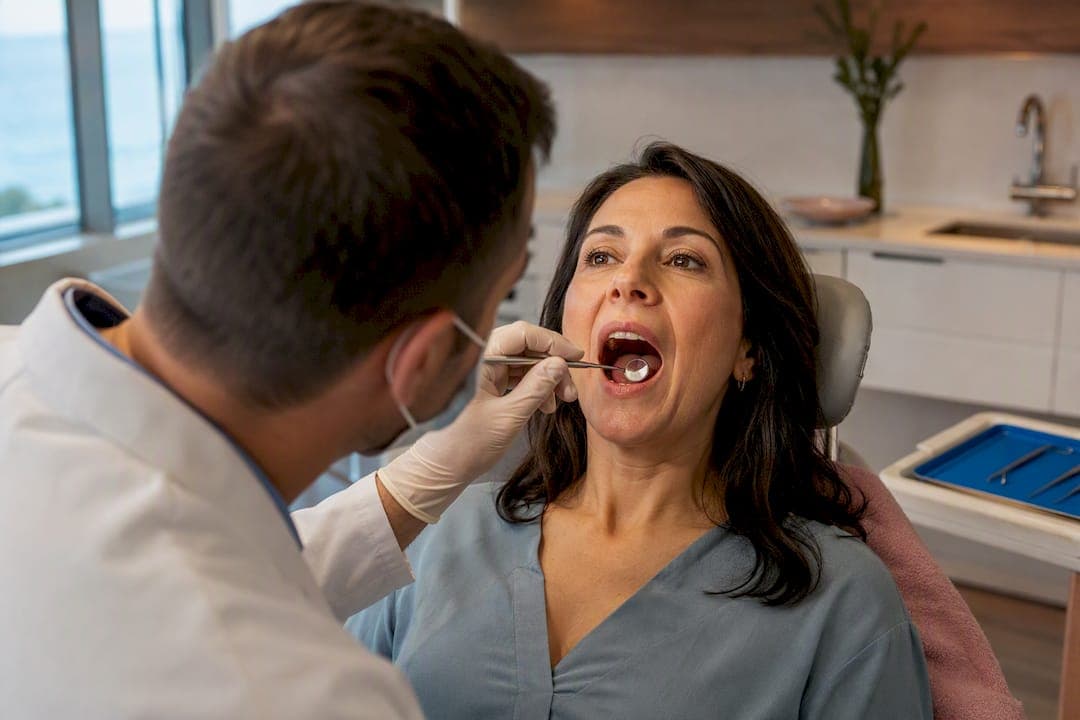
Sip water often, chew sugar-free gum, and try an alcohol-free moisturizing spray first. Most dry mouth eases within hours using those steps alone. If symptoms persist for weeks, follow radiation therapy, or if they come with an autoimmune diagnosis, a dentist or physician can evaluate you for prescription options like pilocarpine or cevimeline. See a professional promptly if you have trouble eating, speaking, or recurrent mouth infections.
TL;DR:
- Using moisturizing sprays, sugar-free gum, or lozenges can provide relief for several hours and are easy to carry for quick intervention.
- Maintaining hydration, using a humidifier, and choosing moist foods help reduce dry mouth symptoms over weeks, especially during sleep.
- Prescription drugs like pilocarpine and cevimeline may be effective if salivary glands still have some function, but require careful trial and monitoring.
- Identifying and addressing underlying causes such as medications, radiation, or autoimmune diseases is crucial for effective long-term management.
- Regular dental care and fluoride use are essential to prevent cavities and oral infections that are more likely with low saliva flow.
Table of Contents
- Dry Mouth Treatment You Can Try Today
- Building a Daily Routine That Prevents Flare-Ups
- Prescription Options: Dosing, Timelines, and Trade-Offs
- Finding the Real Cause Before You Treat the Symptom
- Why Dry Mouth Puts Your Teeth at Risk
- What a Dry Mouth Evaluation Actually Looks Like
- The Gap Between What Gets Marketed and What Actually Helps
- Getting Dry Mouth Evaluated at Starboard Dental
- Sources
Dry Mouth Treatment You Can Try Today
Most cases of dry mouth, or xerostomia, respond to simple habits before anything else is needed. These aren't cures, but they buy real comfort while you sort out what's causing the problem.
- Sip water steadily instead of chugging it. A small spray bottle in your bag or car lets you moisten your mouth discreetly during meetings or long drives.
- Chew sugar-free gum or suck on sugar-free lozenges. Xylitol-containing versions work well for most people and double as a mild cavity-fighting habit, since xylitol doesn't feed the bacteria that cause decay.
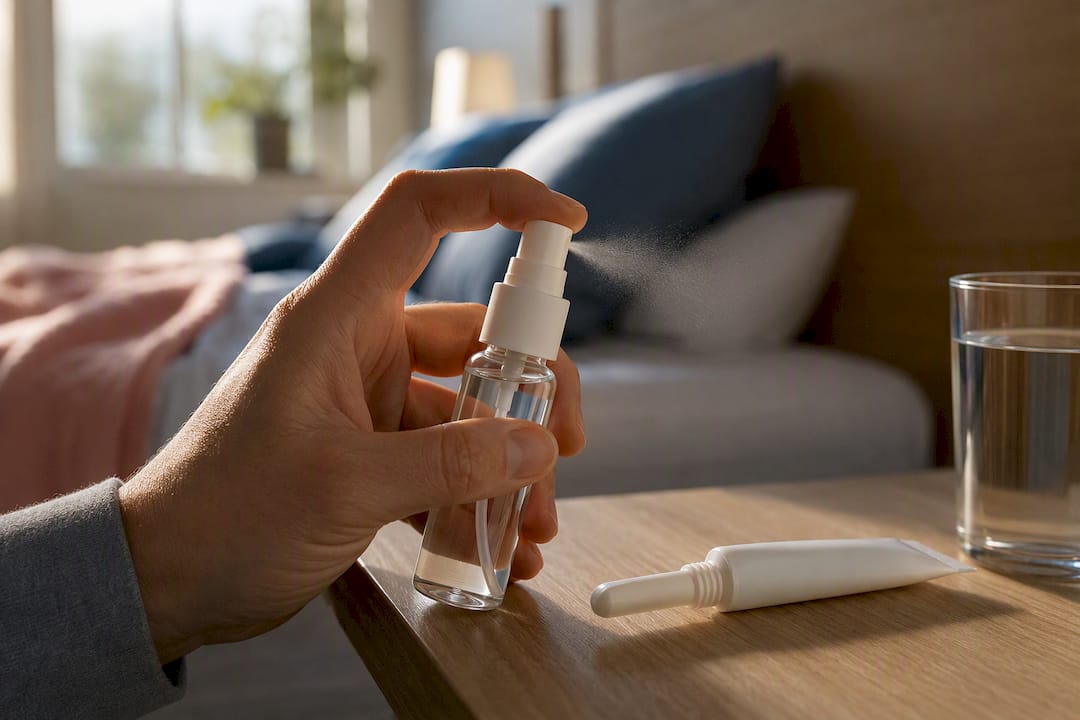
- Use an alcohol-free moisturizing rinse, spray, or gel. These products typically provide relief for about 4 to 6 hours, making them a solid option before bed or a long flight.
- Cut the alcohol-based mouthwash. It dries oral tissue further. Reduce caffeine, quit tobacco if you use it, and skip sugary sodas that compound the dryness.
Pro Tip: Keep a lozenge or two in your coat pocket and your car's cup holder. The mouths that stay driest are usually the ones caught without a backup plan during a long meeting or road trip.
None of this fixes an underlying cause like a medication side effect or a salivary gland condition. Think of these as your first line of defense while you figure out what's really going on.

Building a Daily Routine That Prevents Flare-Ups
Quick fixes handle the moment. A routine handles the pattern. Clinical guidance from the NIDCR points to a handful of daily habits that consistently reduce symptom severity over weeks, not just minutes.
- Hydrate on a schedule, not just when you're thirsty. Clinical guidance commonly points to roughly 8 to 12 cups of fluid a day, sipped steadily, with water alongside meals to make chewing and swallowing easier — practices supported by habits and medication tracking tools to maintain consistency.
- Run a humidifier in your bedroom at night. Mouth breathing during sleep is one of the biggest overnight dryness triggers, so treating nasal congestion or adjusting your sleep position matters as much as the humidifier itself.
- Stick with fluoride toothpaste, and ask your dentist about prescription-strength fluoride gel or varnish if your saliva flow is chronically low. Brush gently, floss daily, and don't skip it just because your mouth feels raw.
- Adjust what's on your plate. Moist foods go down easier than dry, spicy, or sticky ones. Drinking water with meals isn't a nicety here; it's often what makes a normal meal manageable.
Pro Tip: If crackers or toast feel like sandpaper, that's not a texture preference problem. It's your saliva telling you it needs backup, so pair those foods with soup, broth, or a glass of water from the first bite.
Prescription Options: Dosing, Timelines, and Trade-Offs
Self-care handles a lot of cases. When it doesn't, medicine steps in, and two prescription drugs dominate this space in the United States.
Pilocarpine and cevimeline are the FDA-approved oral sialagogues, meaning they stimulate the salivary glands directly rather than just coating the mouth. Both require that your glands still have some function left. Someone whose glands were destroyed by high-dose radiation won't respond the same way as someone whose dryness comes from a medication side effect.
These dosing patterns and trial windows come from the Iowa Head and Neck Protocols, which most prescribers use as a working reference. Clinicians typically give either drug several weeks to three months before deciding it isn't working, since the effect builds gradually rather than kicking in overnight.
- Sweating and flushing are the most reported complaints with pilocarpine.
- Nausea and stomach upset can occur with either drug and sometimes improve if taken with food.
- Neither drug suits everyone. Uncontrolled asthma, certain heart conditions, and narrow-angle glaucoma are reasons a prescriber might rule them out.
A review of the clinical evidence found that topical products and chewing gum increase saliva output, but high-quality proof of dramatic symptom relief is thinner than most patients expect. That's not a reason to skip them. It's a reason to treat them as one part of a plan rather than a fix on their own.
Finding the Real Cause Before You Treat the Symptom
Dry mouth is a symptom, not a diagnosis, and figuring out what's driving it changes everything about how you treat it.
- Medications are the single most common cause. Certain antidepressants, antihistamines, and blood pressure drugs carry anticholinergic effects that slow saliva production, and this is often the most fixable trigger once identified.
- Radiation therapy to the head or neck can permanently reduce gland output, depending on dose and location.
- Sjögren syndrome, an autoimmune condition, attacks moisture-producing glands directly and usually requires ongoing specialist management rather than a one-time fix.
- Dehydration, chronic nasal congestion, and habitual mouth breathing are reversible contributors worth ruling out before assuming something more serious is at play.
Bring your full medication list to your next appointment, including anything over-the-counter, and ask specifically: "Could any of these be drying out my mouth, and is there an alternative?" A pharmacist can often flag interactions your prescriber might miss, especially if you see multiple specialists.
Why Dry Mouth Puts Your Teeth at Risk
Saliva isn't just moisture. It buffers acid, washes away food debris, and delivers minerals that repair early enamel damage. When flow drops, that protection drops with it, and cavities, gum disease, and oral thrush all become more likely.
The American Dental Association recommends a few concrete defenses for anyone dealing with chronic dryness:
- Use fluoride toothpaste daily, and ask about prescription-strength fluoride for higher-risk cases.
- Brush gently and floss every day, even when your gums feel sensitive.
- Schedule dental visits more often than the standard twice a year, since decay can progress faster in a dry mouth.
- If you wear dentures, get them checked for fit. Loose dentures rub more on dry tissue and raise infection risk.
- Treat oral thrush promptly. It shows up more often when saliva flow is low.
For more on the daily habits that hold up against this kind of risk, guides on preventing cavities between checkups and approaches to gum health both go deeper into the daily mechanics.
What a Dry Mouth Evaluation Actually Looks Like
A sensible workup starts small: review medications first, since that's the most common reversible cause. If self-care and topical products don't help after several weeks, and salivary glands still have some function, prescription options become worth discussing.
Topical moisturizers rarely cure dry mouth outright. What they do is buy comfort while the real cause gets sorted out. Prescription sialagogues can help meaningfully when glands still work, but for radiation damage or advanced Sjögren syndrome, the goal often shifts from cure to steady, manageable control.
Red flags that warrant urgent attention include sudden severe dryness paired with trouble swallowing, unexplained weight loss, oral ulcers that won't heal, or repeated infections. Interestingly, how dry a mouth feels doesn't always match how little saliva is actually being produced, so a clinician should treat a patient's reported discomfort seriously even when lab measurements look only mildly abnormal.
The Gap Between What Gets Marketed and What Actually Helps
Most advice on dry mouth oversells the topical products and undersells the boring stuff. Mouth sprays and gels are genuinely useful for situational relief, a long flight, a dry bedroom, a big presentation, but treating them as a solution rather than a bridge is where people get stuck for months without improvement.
The bigger miss is the medication review. Anticholinergic side effects are common, reversible, and routinely overlooked because patients assume dry mouth is just something that happens with age or stress. It often isn't. A five-minute conversation with a pharmacist about your current prescriptions can accomplish more than any lozenge.
If there's one thing worth doing differently: don't wait until your mouth is raw and your teeth start showing decay to bring this up with a dentist. Dry mouth accelerates cavity risk quietly, long before it becomes painful. Catching it early, through a fluoride plan and closer monitoring, costs far less than fixing the damage afterward.
— Alex
Getting Dry Mouth Evaluated at Starboard Dental
Persistent dry mouth is treated as a preventive-care priority rather than an afterthought squeezed into a routine cleaning. A dry-mouth-focused visit typically includes a review of current medications, an oral exam checking for early decay or gum irritation, fluoride varnish application where it's warranted, and a conversation about saliva substitutes or other next steps based on what's actually causing symptoms.

Bring your medication list, even the over-the-counter stuff, and be ready to describe when the dryness started and what makes it worse. That timeline helps narrow down whether it's a medication issue, a sleep pattern, or something that needs a broader workup. Appointments may be available for patients dealing with new or worsening symptoms who don't want to wait weeks for relief. If dry mouth has already led to sensitivity, enamel wear, or other damage, Starboard Dental's restorative dentistry options can address that alongside the underlying cause. Start by reviewing the conditions typically treated and schedule an evaluation.
This article is general information, not a substitute for advice from a qualified doctor. Consult a qualified healthcare professional about your own circumstances before acting on anything here.
Sources
- Topical therapies and saliva substitutes for dry mouth (PubMed)
- Pilocarpine and cevimeline — Iowa Head and Neck Protocols
- Dry Mouth — NIDCR
- Xerostomia clinical overview — NCBI Bookshelf (2023)
- Xerostomia (Dry Mouth) — American Dental Association