Yes, early enamel mineral loss can often be stopped or partially reversed with consistent fluoride exposure, saliva support, and reduced sugar frequency. The CDC and American Dental Association both back fluoride toothpaste as a frontline step, and clinics like ours treat this kind of early damage every week. If a lesion has already broken through the enamel surface, causes pain, or seems to be getting worse, that calls for a dental visit rather than a home routine.
TL;DR:
- Brush twice daily with fluoride toothpaste, reduce how often you consume sugary or acidic foods, and support saliva with hydration or sugarless gum.
- Hydroxyapatite and milk protein calcium phosphate products may supplement fluoride, but evidence is mixed and neither has a proven advantage over fluoride alone.
- Dentists may apply varnish every three to six months for high risk patients; silver diamine fluoride arrests lesions but leaves a permanent dark stain.
- Early white spot lesions need weeks to months and return visits; a visible hole, rough or soft spot, or new sensitivity warrants dental evaluation.
Table of Contents
- How remineralization works: saliva, minerals, and fluoride's role
- Evidence-backed home actions to support remineralization
- Over-the-counter remineralizing agents: fluoride, hydroxyapatite, and CPP-ACP
- Professional treatments that arrest or reverse lesions
- Timeline, monitoring, and when fillings become necessary
- Starboard Dental's practical approach and what patients can expect
- Get evaluated: exams, fluoride varnish, and individualized plans
- FAQ
- Sources
How remineralization works: saliva, minerals, and fluoride's role
Your saliva is doing more than keeping your mouth comfortable. It constantly bathes your teeth in calcium and phosphate ions and buffers the acids produced by oral bacteria after you eat. When the pH around a tooth drops after a sugary snack, minerals leach out of the enamel surface. As saliva neutralizes the acid over the following half hour or so, calcium and phosphate can redeposit into that same weakened layer. This back-and-forth happens dozens of times a day, and which direction wins, mineral loss or mineral gain, depends on how often and how long your mouth stays acidic.
Fluoride changes the math in your favor. It gets incorporated into the enamel crystal structure during remineralization, forming a mineral that resists acid better than the original tissue. This is why consistent, low-level fluoride exposure matters more than occasional strong doses: it needs to be present at the right moments to guide that mineral rebuild.
There is a hard ceiling on what this process can do, though. It can repair an early, noncavitated lesion, often seen as a chalky white spot, where the surface is still intact. Once the surface has physically broken down and formed a cavity, no amount of saliva or fluoride will regrow the lost enamel; that requires a filling or other restorative work.
- Saliva supplies the raw minerals and neutralizes acid after eating or drinking.
- Fluoride helps the redeposited mineral resist future acid attacks.
- Noncavitated lesions can often be arrested or partly reversed; cavitated ones cannot.
A systematic review of CPP-ACP trials found some benefit when combined with fluoride, though study quality varied widely. That variability is a recurring theme across remineralizing agents, and it shapes how much confidence to place in any single product.
Evidence-backed home actions to support remineralization
Home care is where most of the actual mineral exchange happens, since you are only in a dental chair a few times a year. The CDC's oral health guidance centers on a short list of habits that consistently shift the balance toward repair.
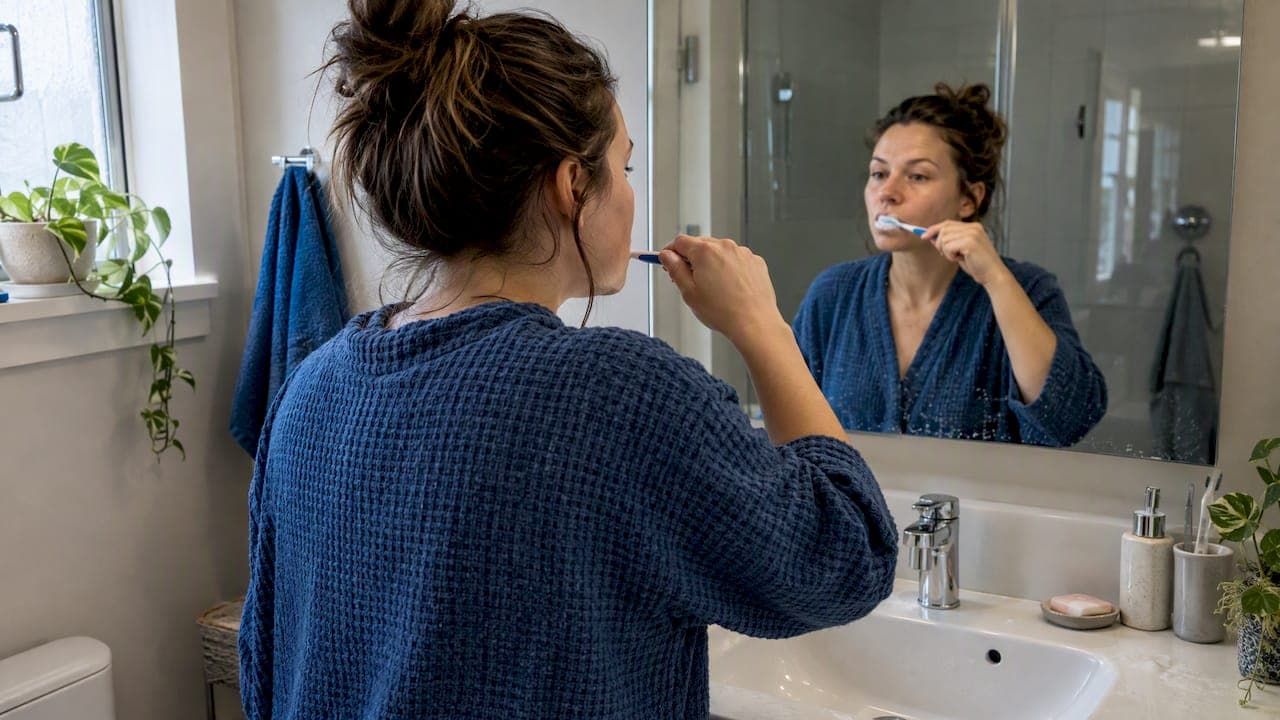
- Brush twice daily with fluoride toothpaste, using an age-appropriate amount; pediatric reviews confirm this reduces cavities in children at elevated risk, while supervision limits the chance of swallowing more than a pea-sized dab.
- Cut back on how often you eat or drink sugar and acid, not just the total amount, since each exposure resets the acid attack on your enamel.
- Support saliva flow by staying hydrated and chewing sugarless gum with xylitol between meals; if your mouth feels persistently dry, that often points to a medication side effect worth discussing with a clinician, and our guide to dry mouth treatment walks through common causes and fixes.
- Clean between your teeth daily with floss or an interdental brush, and keep regular checkups so a dentist can catch early lesions while they are still reversible.
- Ask about a fluoride rinse or prescription-strength toothpaste if your checkup shows you are at higher risk; our piece on fluoride varnish for adults covers when that extra step gets added to a care plan.
Frequency is the lever most people underestimate. The CDC notes that repeated small acid exposures throughout the day limit saliva's chance to replenish minerals, which is why sipping a sugary drink for an hour does more damage than drinking the same amount quickly with a meal. Our article on the role of diet in tooth decay goes deeper into practical food swaps that reduce this frequency without requiring a complete diet overhaul.
Pro Tip: Swap grazing on snacks and sipping sugary drinks for set mealtimes, since fewer acid exposures per day gives your saliva more time to rebuild enamel between them.
Over-the-counter rinses, gels, and remineralizing pastes can play a supporting role, but they work best layered on top of these fundamentals rather than replacing them.
Over-the-counter remineralizing agents: fluoride, hydroxyapatite, and CPP-ACP
Walk down a drugstore aisle and you will see toothpaste marketed around three main active ingredients, each with a different evidence base.

Fluoride remains the most studied option, available as toothpaste, rinses, and professionally applied varnish. Decades of trials support its role in both preventing new lesions and helping arrest early ones, which is why it anchors most clinical guidance.
Nano-hydroxyapatite works on the logic that supplying the same mineral enamel is made of should help rebuild it directly. A systematic review and meta-analysis of nano-hydroxyapatite trials found the in-vivo evidence inconclusive due to inconsistent study design and risk of bias, though shorter in-situ studies suggest it can perform comparably to fluoride under controlled remineralizing conditions. That is a reasonable basis for considering it as an adjunct, not a replacement.
CPP-ACP, a milk-protein-derived compound that delivers calcium and phosphate to the tooth surface, shows a similarly mixed picture. The same systematic review found it may offer added benefit when paired with fluoride, but the trials behind it vary enough in quality and follow-up length that no one claims it outperforms fluoride on its own.
- Fluoride has the deepest evidence base and anchors most product recommendations.
- Nano-hydroxyapatite shows promise in shorter studies but lacks strong long-term clinical data.
- CPP-ACP may add value combined with fluoride, though study quality is inconsistent.
Low-quality or mixed-quality evidence underlies both hydroxyapatite and CPP-ACP trials, meaning neither has a consistent, proven edge over fluoride. The practical takeaway is to treat these ingredients as useful additions layered onto a fluoride-led routine, and to follow the product's instructions rather than assuming more is automatically better.
Professional treatments that arrest or reverse lesions
When a lesion needs more than brushing habits can offer, a dentist has several tools, chosen based on where the lesion sits and whether it is active or already cavitated.
- 5% sodium fluoride varnish is painted on at intervals, often every three to six months for higher-risk patients, and the ADA's evidence-based guideline supports it for arresting noncavitated lesions.
- Sealants and resin infiltration fill in grooves or porous enamel on chewing surfaces and between teeth, sealing out bacteria before a cavity forms.
- Silver diamine fluoride (38%) can arrest an active lesion, including some that have started to cavitate, though it permanently stains the treated area dark, a tradeoff worth discussing before choosing it.
- P11-4, a self-assembling peptide, is an emerging option that a 2023 clinical perspective in JADA describes as promising for noncavitated lesions; it works by helping form new hydroxyapatite within the lesion itself, though studies remain limited in duration.
A high-level overview published in JADA lays out how dentists match these options to the lesion: location, whether the surface is intact, and overall caries risk all factor into the decision, which is why two patients with similar-looking spots might leave with different treatment plans.
Timeline, monitoring, and when fillings become necessary
Noncavitated lesions do not resolve overnight. Most clinicians recheck them at follow-up visits spaced weeks to a few months apart, looking for the lesion to shrink, harden, or lose its chalky appearance, signs that the mineral balance has tipped back in your favor.
- Expect monitoring, not instant results, since visible improvement in a white spot lesion typically takes multiple follow-up visits to confirm.
- Clinicians use visual scoring systems like ICDAS alongside imaging or fluorescence tools to track whether a lesion is shrinking or spreading; our guide on how dentists spot early decay explains what that exam actually looks for.
- Watch for signs the lesion has progressed: a visible hole, a rough or soft spot you can feel with your tongue, or new sensitivity to cold or sweets.
- Book an appointment promptly if any of those signs appear, since a cavitated lesion needs a filling or similar restorative care rather than more time.
Starboard Dental's practical approach and what patients can expect
We approach early decay with the same evidence-first mindset outlined above: fluoride varnish, risk assessment, and monitoring come before drilling, reserving restorative work for lesions that have truly cavitated. Our general and restorative dentistry services cover the full range, from a routine exam that catches a white spot early to a filling or crown when a lesion has already progressed past the point of repair.
Patients often tell us that comfort items and amenities make a dental visit far less stressful than they expected, and same-day appointment availability means a concern noticed today does not have to wait weeks for an answer.
— Alex
Get evaluated: exams, fluoride varnish, and individualized plans
If you have noticed a chalky spot, new sensitivity, or just want a professional read on your enamel, an exam is the fastest way to find out whether home care alone will do the job.

A first visit typically includes a brief exam, a conversation about your diet and oral hygiene habits, and a clear next step, whether that is a fluoride varnish, a tailored home routine, or restorative treatment if a lesion has already cavitated.
- Comprehensive exams and oral cancer screenings to catch issues early.
- Professional fluoride varnish for patients at elevated risk.
- Restorative options, including fillings and crowns, when a lesion needs more than remineralization.
If dental insurance or coverage questions are part of what is holding you back, resources like Core Insurance Solutions help older adults sort through Medicare dental options before booking care. When you are ready, schedule a general dentistry exam and get a specific plan for your teeth rather than a generic routine.
This article is general information, not a substitute for advice from a qualified doctor. Consult a qualified healthcare professional about your own circumstances before acting on anything here.
FAQ
How much time does it take to remineralize teeth?
Early noncavitated lesions typically need weeks to a few months of consistent fluoride exposure and reduced sugar frequency before visible improvement shows up at a follow-up exam. The exact pace depends on lesion severity, your saliva flow, and how consistently you keep up with home care and professional visits.
Can cavities be healed without fillings?
A true cavity, meaning the enamel surface has physically broken down, cannot heal on its own and needs a filling or similar restorative treatment. Early mineral loss before that breakdown, often seen as a white spot, can often be arrested or partially reversed with fluoride and good oral hygiene.
How do I add minerals back to my teeth?
Fluoride toothpaste used twice daily is the best-supported way to help redeposit calcium and phosphate into weakened enamel, supported by reducing how often you expose your teeth to sugar and acid. Products containing hydroxyapatite or CPP-ACP may offer additional support when layered onto that fluoride-based routine.
What is remineralization of teeth?
Remineralization is the natural process where calcium and phosphate from saliva redeposit into enamel that has lost minerals from acid exposure, partly reversing early, noncavitated damage. Fluoride helps this process by becoming part of the rebuilt mineral structure, making it more resistant to future acid attacks.
When should I see a dentist instead of relying on home care?
See a dentist if you notice a visible hole, a rough or soft spot, ongoing sensitivity, or a lesion that seems to be growing despite consistent home care. A professional exam can confirm whether a lesion is still reversible or has progressed to the point of needing restorative treatment.
Sources
- Evidence-based approaches for nonrestorative caries management (JADA overview)
- Oral health tips for adults | CDC
- Systematic review comparing CPP-ACP vs topical fluorides (2024)
- JADA clinical perspective on P11-4 (self-assembling peptide)