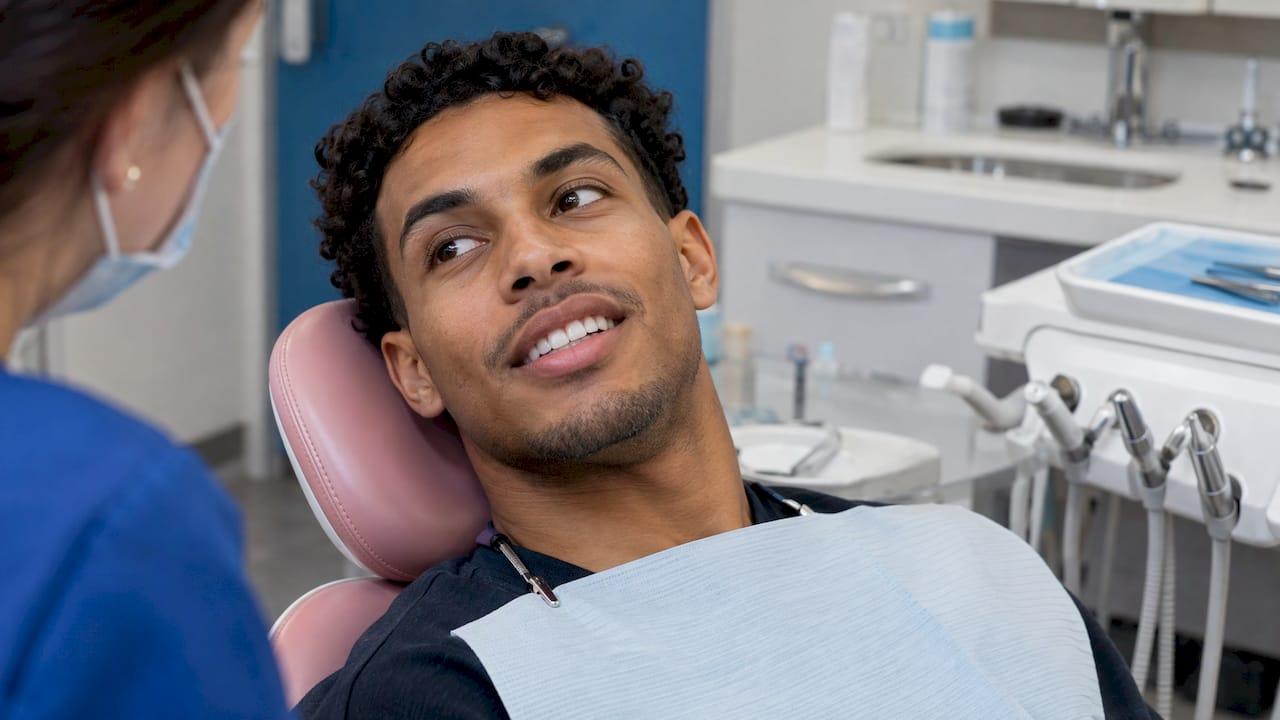
For the first 24 to 72 hours after whitening, skip anything that stains (coffee, tea, red wine, dark sauces, tobacco), brush gently, and follow the written instructions from the dentist who treated you. Your teeth are at their most stain-prone in that window, and a few small habits decide how long the shade lasts.
This guide covers what to eat and drink, how to brush and floss, what to do about sensitivity, and how to keep your results over the following months. It is written for people getting whitened in a dental office or using a custom tray at home.
TL;DR
- Avoid dark drinks, dark foods and tobacco for at least the first 24 hours. Many offices ask for 48 to 72 hours, so follow the timeline you were given.
- Stick to light-colored foods (a "white diet") while your teeth are most vulnerable to staining.
- Brush gently twice a day, floss daily, and drink plenty of water.
- Mild sensitivity is common and usually fades within days. Call your dentist if it lingers.
- Whitening does not change crowns or fillings, so a shade mismatch is possible.
Table of Contents
- Why the first days matter most
- What not to eat or drink after teeth whitening
- The white diet: what you can eat
- How to brush, floss and rinse after whitening
- Managing sensitivity after whitening
- Do teeth turn yellow again?
- A simple aftercare timeline
- Our perspective
- Whitening and cosmetic care in Kennebunk
- FAQ
- Sources
Why the first days matter most
Whitening lightens the color inside the tooth, and your enamel is more easily stained for a while afterward. The old idea that teeth are "wide open pores" is a simplification, but the practical point holds up in research. A peer-reviewed study on 35% hydrogen peroxide bleaching found that bleached enamel was more susceptible to red wine staining for up to one week, compared with unbleached enamel.
That is why instructions vary. One whitening instruction sheet from a dental office asks for 72 hours of avoiding dark foods, dark drinks and tobacco. Another source, a professional whitening care guide, focuses on the first 24 hours. Treat 24 hours as the bare minimum and 72 hours as the safer choice. If you can stretch your careful phase to a week for the heaviest stainers, such as red wine, do it.

Your dentist's instructions come first. The product, the peroxide strength and your own enamel all affect the timeline.
What not to eat or drink after teeth whitening
The rule is simple: if it would stain a white shirt, it can stain freshly whitened teeth. Guidance for the first 24 hours names dark sodas, black coffee, red wine, colored toothpaste, dark fruits and vegetables with strong pigments, and sugary drinks or snacks.
Drinks to skip
- Coffee and black tea
- Red wine (the best-studied culprit, per the research above)
- Cola and other dark sodas
- Dark fruit juices, such as grape, cranberry or pomegranate
- Sports drinks and energy drinks with added dyes
Water is your default. Cool water is also kinder if your teeth feel sensitive.
Foods to skip
- Tomato sauce, ketchup and barbecue sauce
- Soy sauce, balsamic vinegar and curry
- Blueberries, blackberries, cherries and beets
- Chocolate and dark baked goods
- Mustard and other brightly pigmented condiments
Acidic foods and drinks deserve caution too, since your teeth may already feel tender. Citrus, pickles and sodas can sting sensitive teeth.
Tobacco
Smoking and vaping with nicotine products are among the fastest ways to undo a whitening treatment. Avoid all tobacco during the aftercare window, and ideally much longer. If you smoke, our guide on teeth whitening for smokers explains what results to expect.
The white diet: what you can eat
A white diet means choosing foods that are pale or colorless so nothing deposits pigment on your teeth. Typical choices include:
| Meal | Easy white-diet options |
|---|---|
| Breakfast | Plain yogurt, scrambled or boiled eggs, oatmeal made with milk, white toast, bananas |
| Lunch | Chicken or turkey breast, white fish, white rice, pasta with cream or butter, cauliflower |
| Dinner | Baked potato or mashed potatoes, white beans, plain pasta, skinless chicken |
| Snacks | Cheese, plain popcorn, apples (peeled), cottage cheese |
| Drinks | Water, milk, clear sparkling water without dyes |
Season with salt rather than colorful spices. Skip sauces until your window is over. Very hot or very cold food may bother sensitive teeth, so lukewarm is a good middle ground.
You do not need to eat this way for long. A day or two is common, and three days covers the strictest instructions.
Coffee through a straw?
If you cannot give up your morning coffee, a straw helps but does not solve the problem. ADA guidance recommends drinking staining beverages through a straw to reduce contact with the front teeth. Place the straw toward the back of your mouth and keep the drink cool. Hot coffee through a straw is not a good idea with sensitive teeth.
If coffee is your main stain source, we explain how to deal with coffee-stained teeth in a separate article.
How to brush, floss and rinse after whitening
Good home care protects the result. The ADA notes that dental professionals should advise excellent oral hygiene after whitening to help patients get the best outcome. The specifics below are the practical version.
- Brush twice a day, gently. Use a soft-bristled brush and light pressure. Scrubbing harder does not whiten more, and it can aggravate sensitive teeth and gums.
- Choose a gentle toothpaste for the first few days. If your teeth feel sensitive, a toothpaste made for sensitive teeth is a sensible choice. Avoid anything with strong coloring.
- Floss daily, but be gentle. Flossing removes the plaque and debris where stains start. Your gums may be a little tender, so slide the floss rather than snapping it.
- Skip strong mouthwashes at first. Many offices ask you to avoid mouthwash containing alcohol or harsh chemicals for the first 24 hours, because they can irritate teeth and gums. Colored rinses are best avoided during the stain-risk window too.
- Drink water through the day. It rinses away pigments and keeps your mouth comfortable. A quick water swish after any meal is a good habit.
The ADA explains that whitening toothpastes mostly work by using abrasives to scrub off surface stains, and some contain low levels of peroxide to help lighten tooth color. They are useful for maintenance, but they are not a replacement for professional whitening.
Managing sensitivity after whitening
Sensitivity is the most common side effect. The ADA says temporary tooth sensitivity and gum irritation are the most common adverse effects of whitening, and that the sensitivity is usually mild and short-lived. It can happen with in-office, tray-based and over-the-counter products.
For strip- or tray-based treatments, the ADA reports sensitivity may begin two to three days after starting and usually resolves by about the fourth day after treatment. Higher peroxide concentrations raise the risk.
What helps in the meantime:
- Stick with lukewarm or cool food and drinks.
- Use a toothpaste made for sensitive teeth.
- Brush softly.
- Pause at-home whitening if you are using trays, and ask your dentist before restarting.
- Do not apply extra gel. Using more gel than instructed will not improve results and raises the risk of gum irritation and sensitivity.
If sensitivity continues, visit your dentist. Sharp pain, pain that wakes you up, or sensitivity in one tooth only should be looked at promptly, since it can point to a cavity or a cracked tooth rather than the whitening itself. Our pages on tips for people with sensitive teeth and lasting sensitive teeth treatment go further.
Who should be extra careful
The ADA advises that people with cavities, active infections or gum recession may have more irritation or sensitivity and should get a dental evaluation before whitening. If you have any of these, have them checked before you whiten, not after.
Do teeth turn yellow again?
Whitening is not permanent, but it can last a long time. The ADA reports that effective whitening procedures can give positive results for more than one year with adequate care. How long yours lasts depends on what you eat and drink, whether you use tobacco, and how well you clean your teeth.
To keep your shade:
- Limit coffee, tea and red wine, and rinse with water afterward.
- Drink dark beverages through a straw when practical.
- Brush twice daily and floss every day.
- Keep up with regular cleanings, which remove surface stains that home brushing misses.
- Use a whitening toothpaste occasionally if you like, understanding it removes surface stain rather than changing the inner color.
- Ask your dentist whether a touch-up makes sense for you, and how often.
Crowns, fillings and bonding
Whitening only changes natural tooth structure. The ADA explains that it does not whiten tooth-colored restorations such as crowns and fillings, so a shade mismatch can remain or look more obvious afterward. If you have restorations on your front teeth, talk to your dentist before you whiten. Our article on whether you can whiten crowns explains your options. If you wore braces, read about whitening after braces first.
A simple aftercare timeline
| When | What to do |
|---|---|
| Day 1 (first 24 hours) | Water and light-colored foods only. No tobacco. No alcohol-based or colored mouthwash. Brush gently. |
| Days 2 to 3 | Stay on the white diet if your instructions say 48 to 72 hours. Floss gently. Expect possible mild sensitivity. |
| Days 4 to 7 | Reintroduce colored foods gradually. Use a straw for coffee or tea. Be especially careful with red wine. |
| Weeks and months ahead | Brush twice daily, floss daily, keep cleanings on schedule, and ask about touch-ups. |
Our perspective
In our practice, aftercare is the part of whitening patients most often underestimate. The treatment takes an hour or so. What you do over the next few days is what you live with for the following months.
We built Starboard Dental around comfort and clear communication, and that matters here. We want you to leave knowing exactly what to avoid, for how long, and who to call if something feels off. Same-day appointments mean a question about sensitivity does not have to wait.
We also think whitening works best as part of complete care. A healthy mouth whitens more comfortably, and regular exams and cleanings keep your results looking their best. If you have fillings, crowns or veneers, we plan your whitening around them so your smile looks even.
Alex
Whitening and cosmetic care in Kennebunk
If you are thinking about whitening, or you had it done and have questions, our team at Starboard Dental in Kennebunk can help. We offer teeth whitening as part of our cosmetic dentistry services, alongside composite bonding, porcelain veneers and tooth contouring. We see patients of all ages and use digital scanners for precision.

Book a visit to have your teeth checked first, so any cavities or gum issues are handled before whitening. Routine checkups and cleanings also help remove surface stains and keep your shade longer.
FAQ
Can I eat anything after teeth whitening?
Not right away. For at least 24 hours, and ideally up to 72 hours, avoid dark and strongly pigmented foods and drinks, and tobacco. Light-colored foods such as chicken, rice, potatoes, eggs and plain pasta are good choices. After that, you can return to your normal diet, though continued moderation of coffee, tea and red wine helps your shade last.
Can I drink coffee through a straw after whitening?
A straw reduces contact between coffee and your front teeth, and ADA guidance recommends it for staining drinks. It does not remove the risk completely, because coffee still touches your teeth. During the first 24 to 72 hours, water is the better choice, and a cool coffee through a straw is the compromise.
Do teeth turn yellow again after whitening?
Some gradual darkening is normal over time as everyday foods and drinks leave stains. With good hygiene and limited staining habits, results can last more than a year according to ADA guidance. Regular cleanings and occasional touch-ups can help you keep the shade.
How long does whitening sensitivity last?
It is usually mild and short-lived. With tray or strip treatments, the ADA says it often starts two to three days in and resolves by about the fourth day after treatment. If it lasts longer or is sharp, see your dentist.
Can I whiten crowns or fillings?
No. Whitening lightens natural teeth only, so tooth-colored restorations keep their shade. If they sit in your smile line, discuss options with your dentist before whitening so the color can be matched.
Sources
- Enamel susceptibility to red wine staining after 35% hydrogen peroxide bleaching (PMC)
- Teeth Whitening Pre and Post Treatment Instructions
- Managing expectations with teeth whitening (ADA News)
- Whitening (American Dental Association)
- Teeth whitening: Where to start? (ADA News)
- How To Safely Use a Tooth Whitening Gel At Home
- How Custom Whitening Trays Brighten Your Smile